



Arabic book typesetting is the layout and composition of a manuscript in Arabic script for print or digital publication. It covers everything that happens after the words are final and before the book is printed or published: right-to-left (RTL) text flow, contextual letter shaping, tashkeel (vowel diacritic) placement, kashida-based justification, page architecture, and font selection matched to the book's target market.
"Formatting" is often used loosely to mean anything from margin adjustments to full typesetting. True Arabic typesetting is a specialized discipline because Arabic script behaves nothing like Latin script on a page:
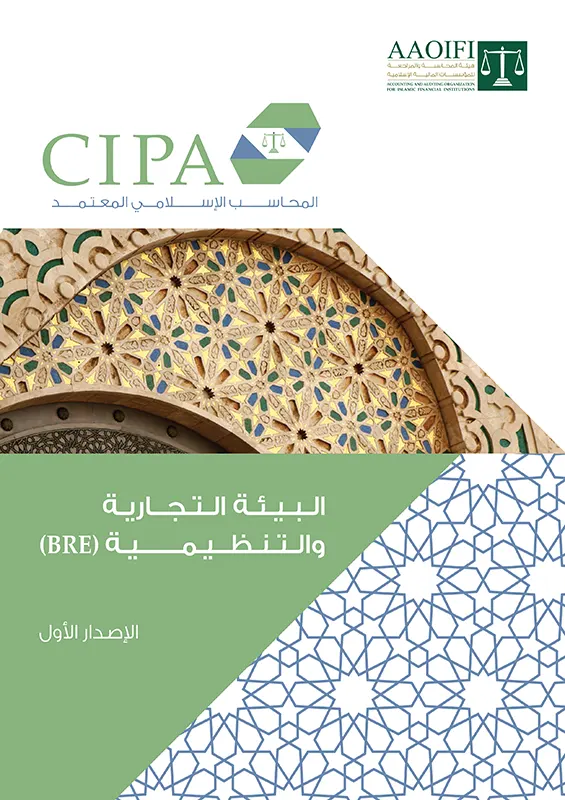
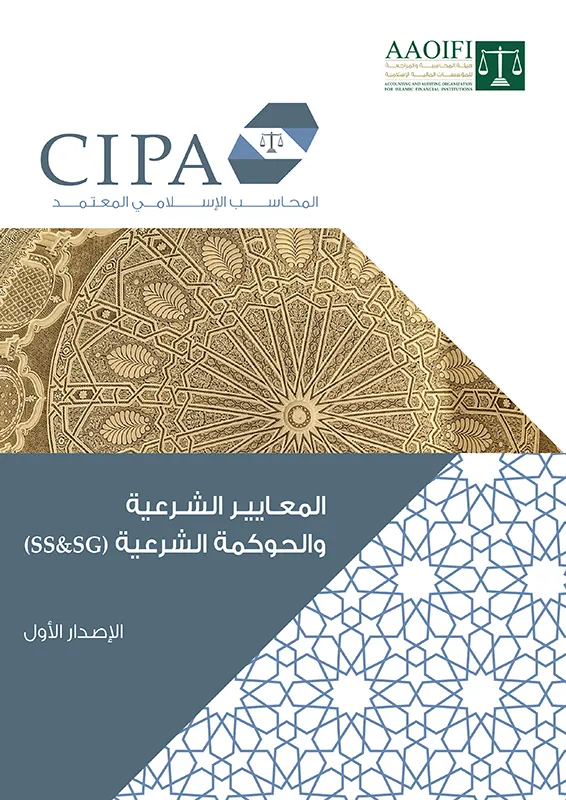
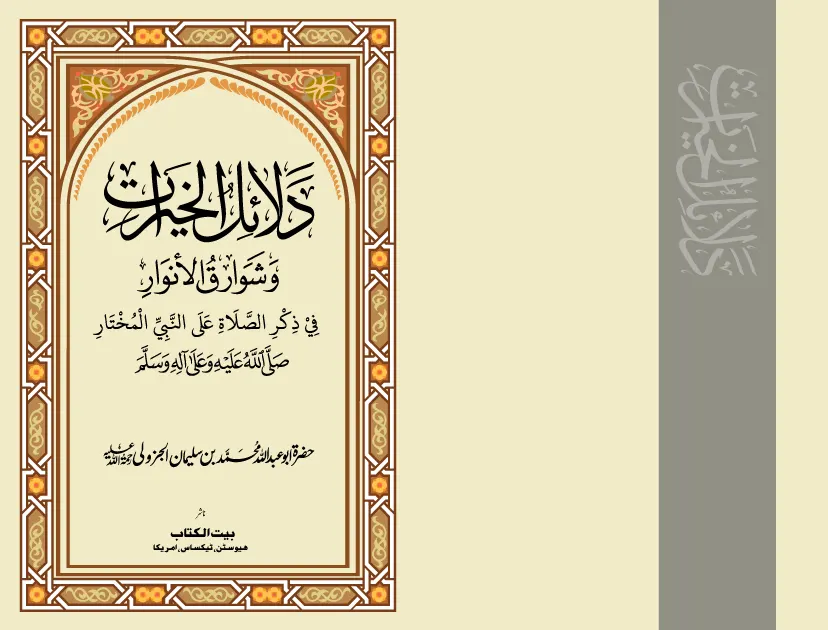
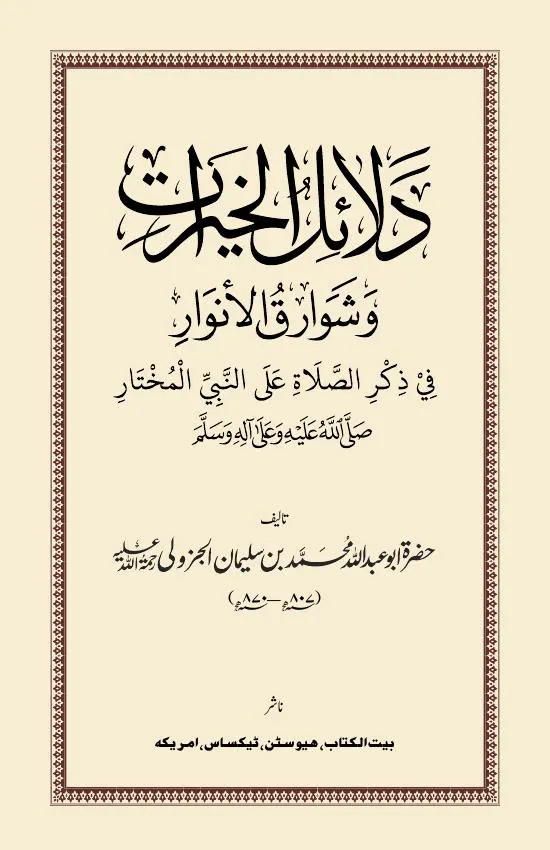
Finished Arabic books from the studio: covers, title pages, contents pages, running headers and notes. Choose a book, then click any page to enlarge it.
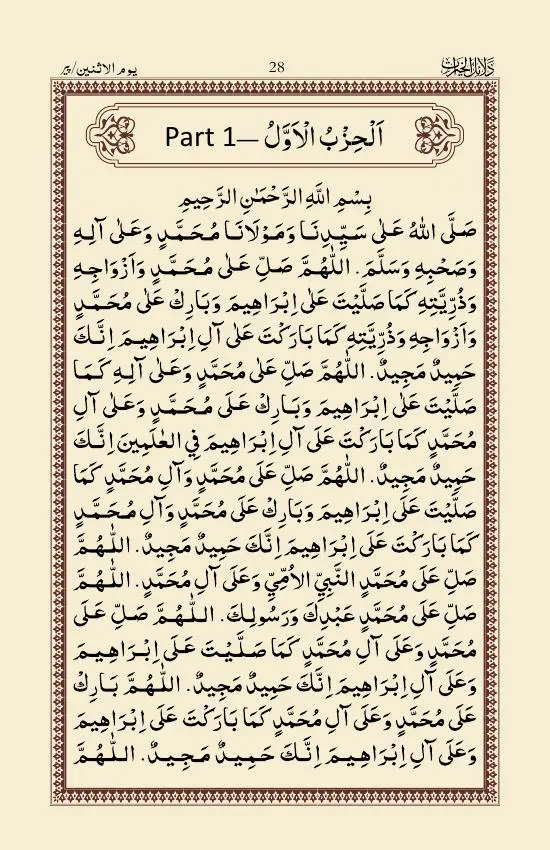
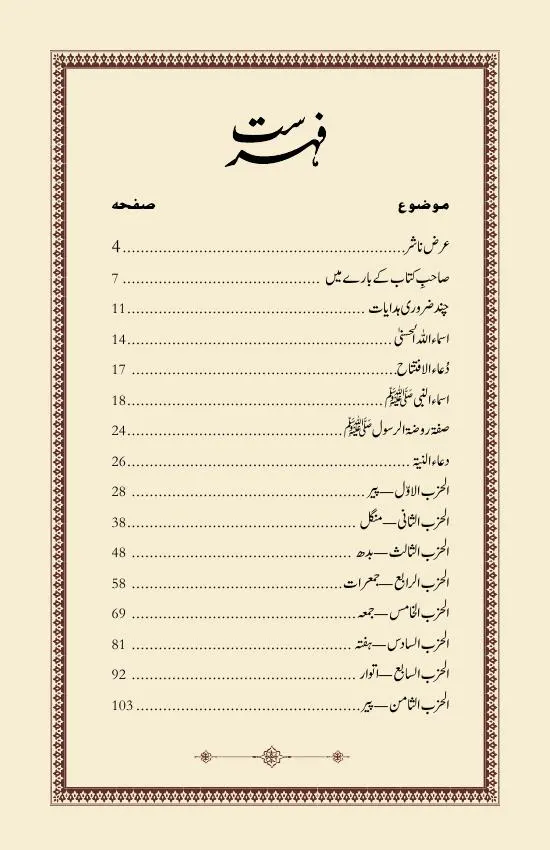
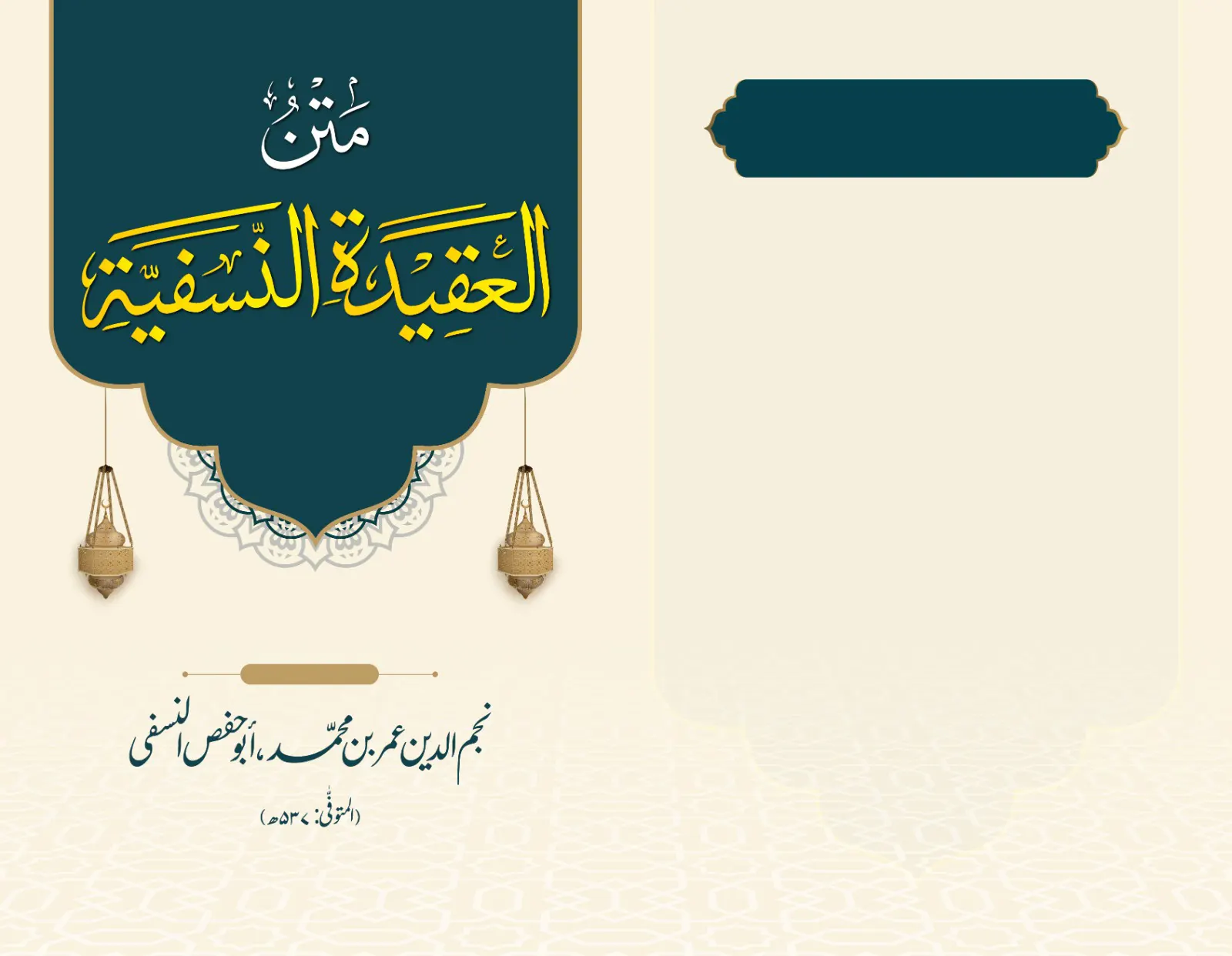
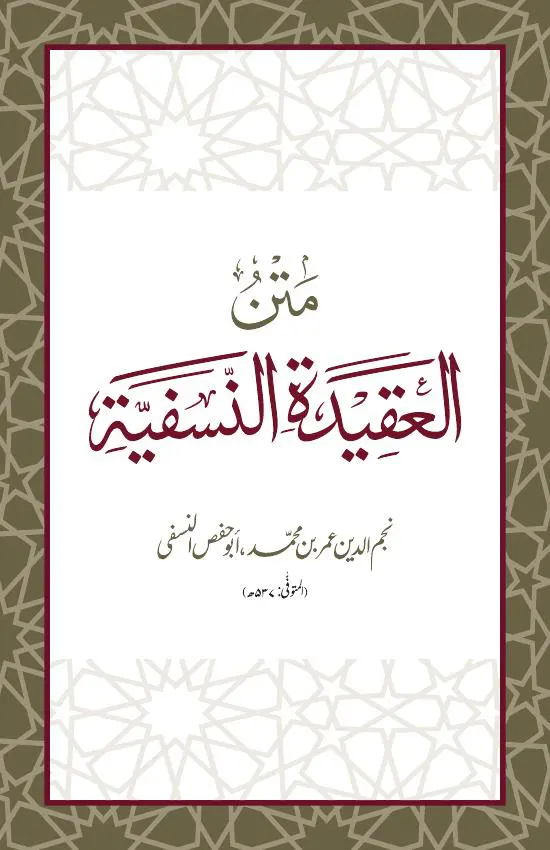
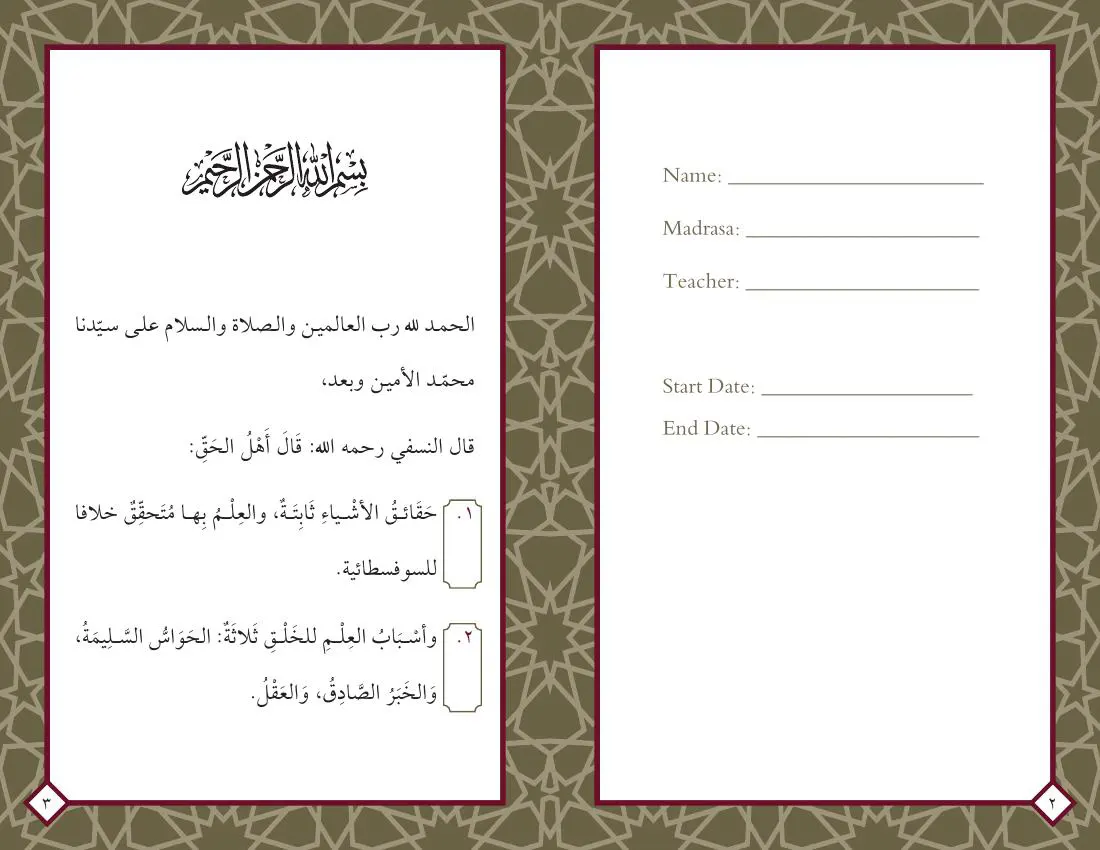
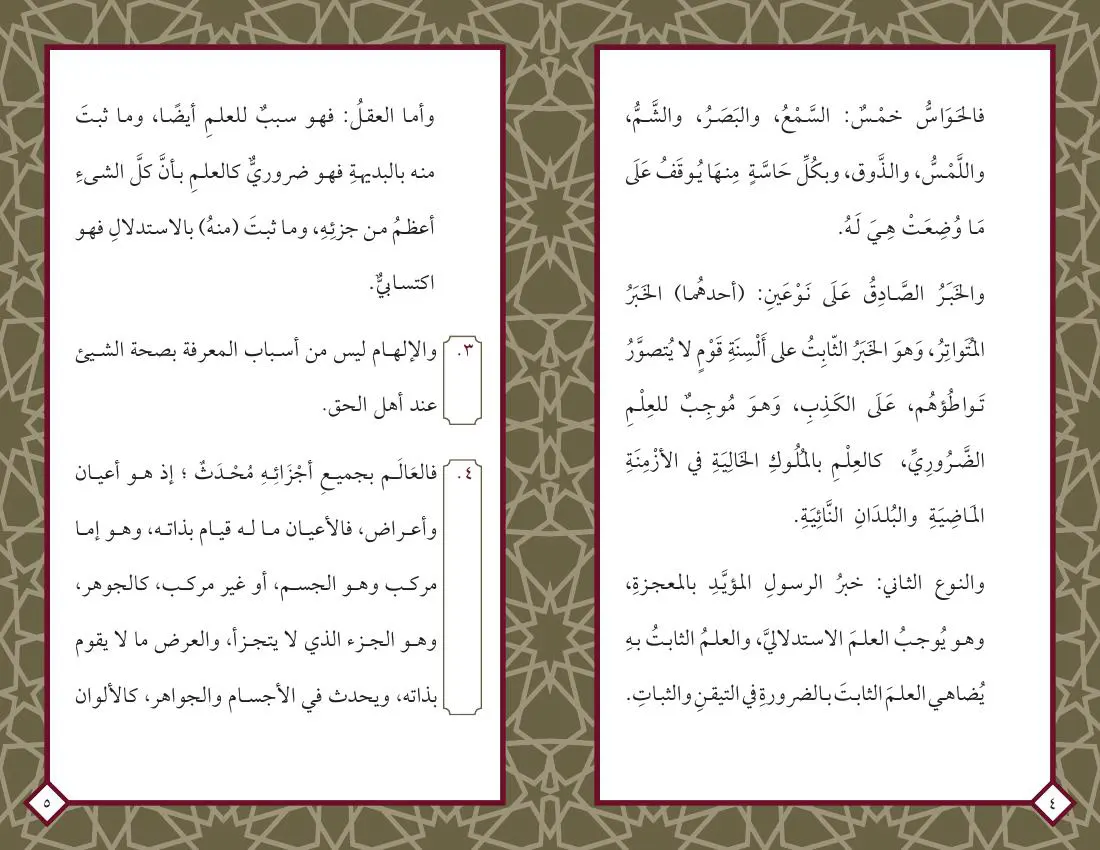
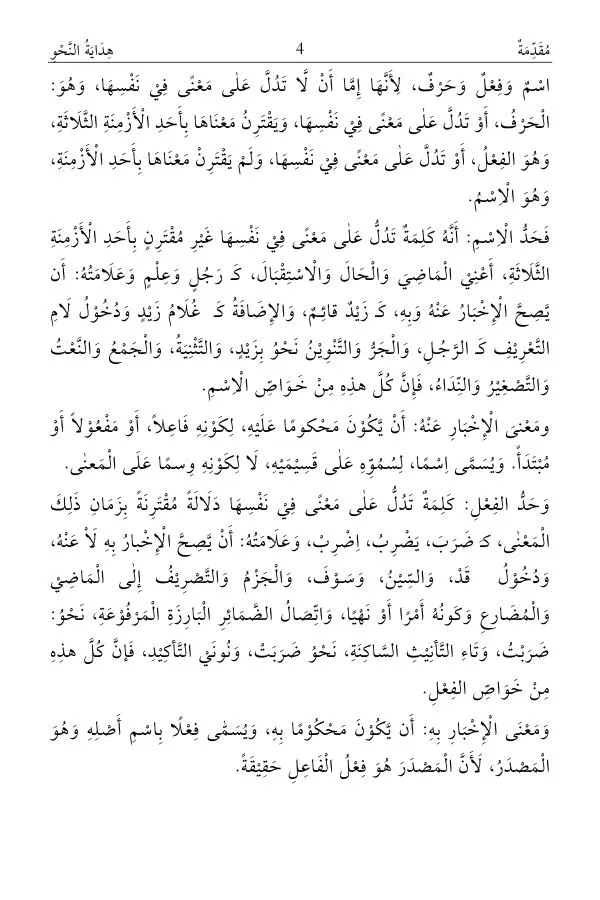
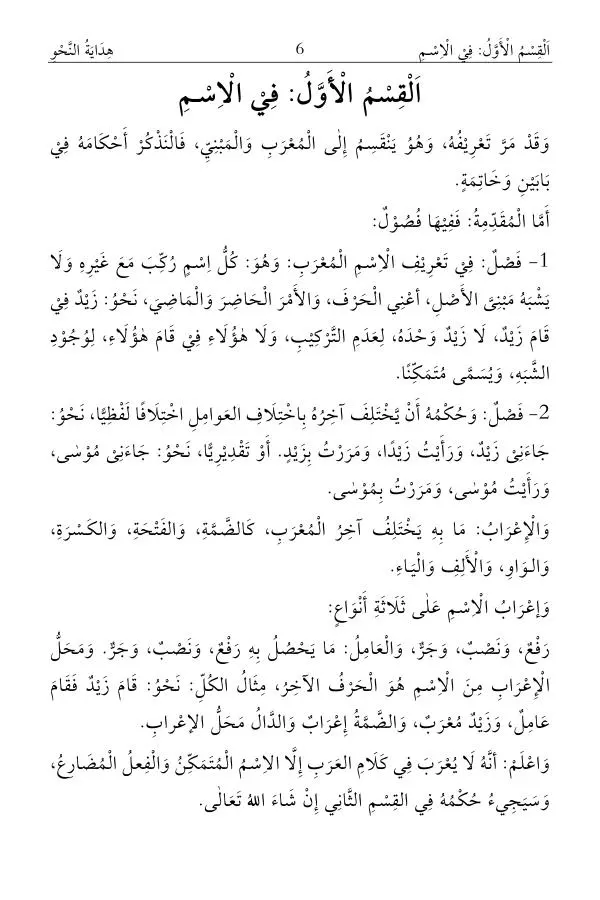
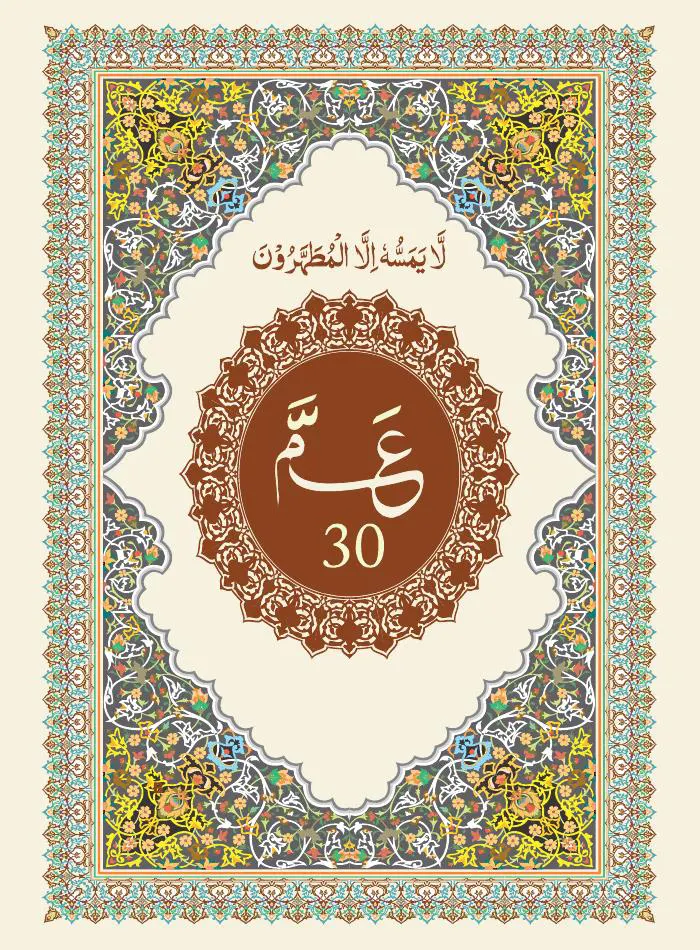
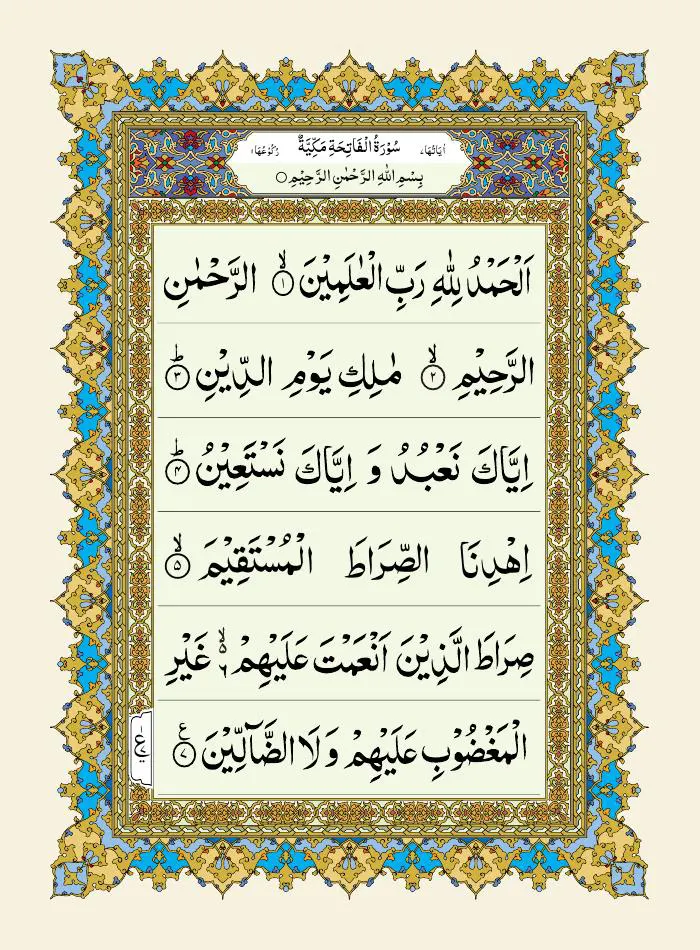
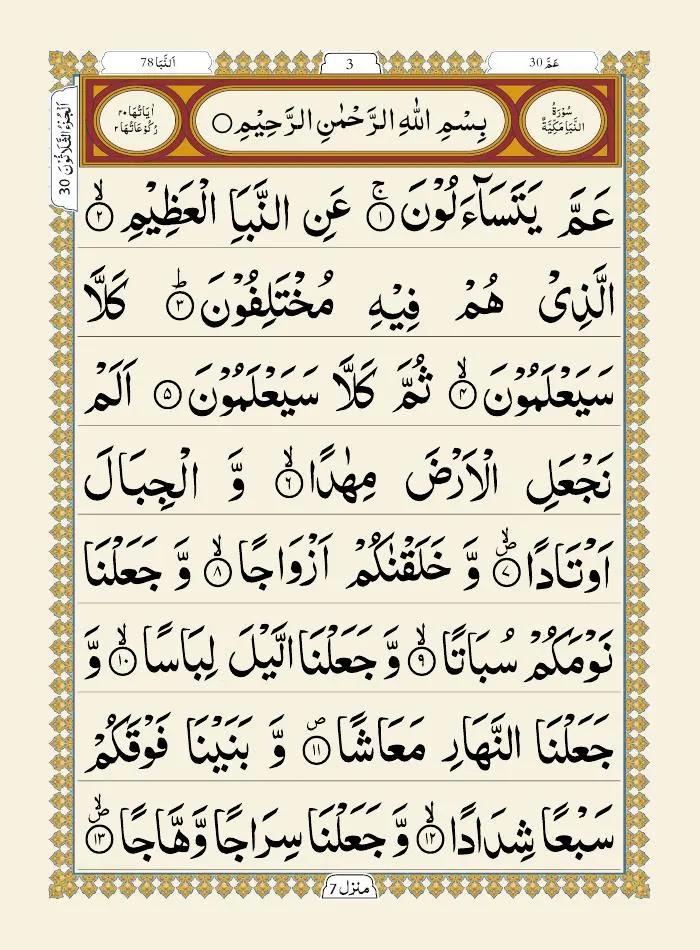
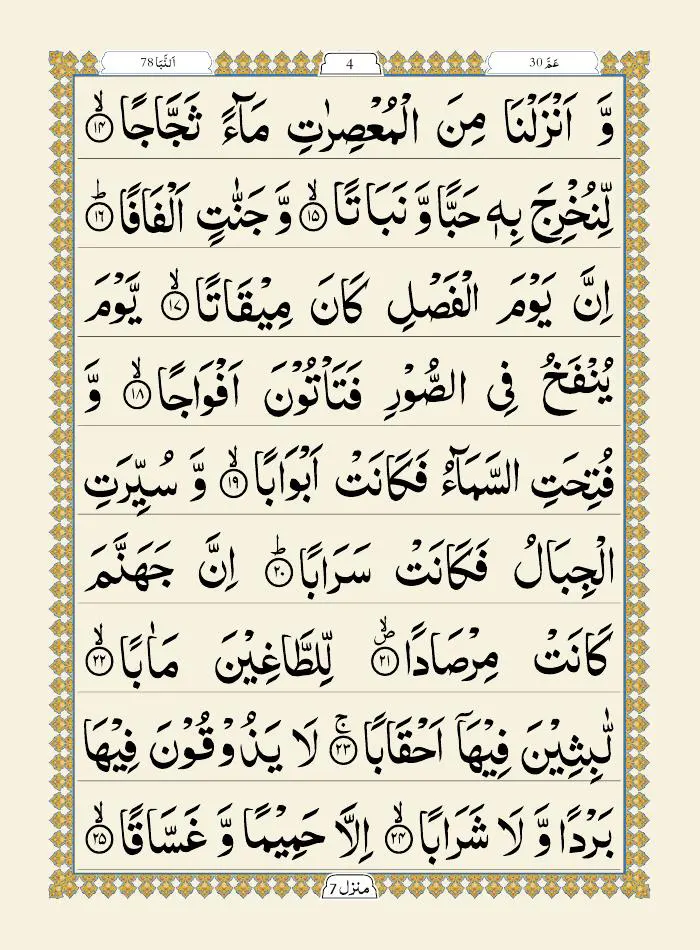
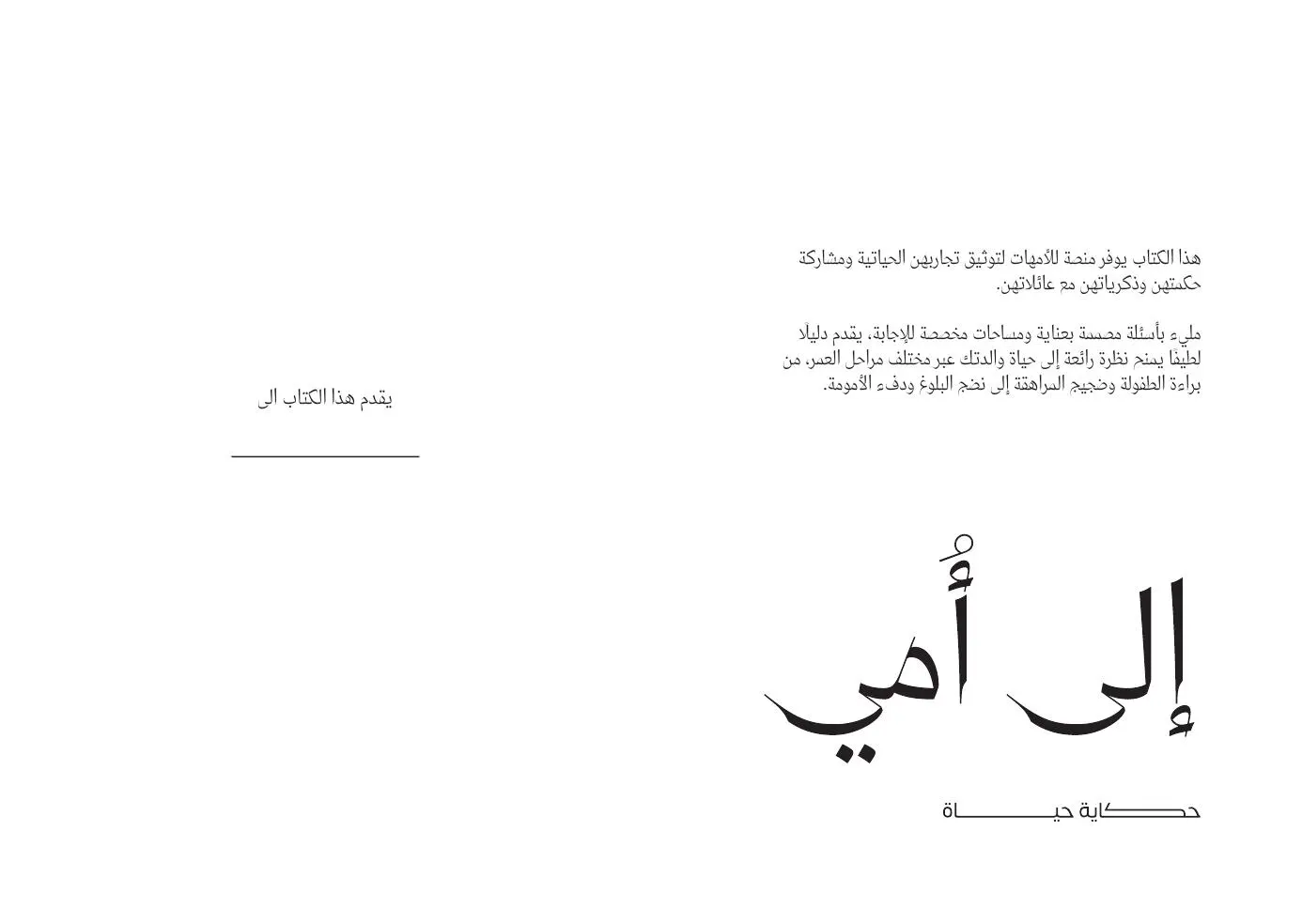
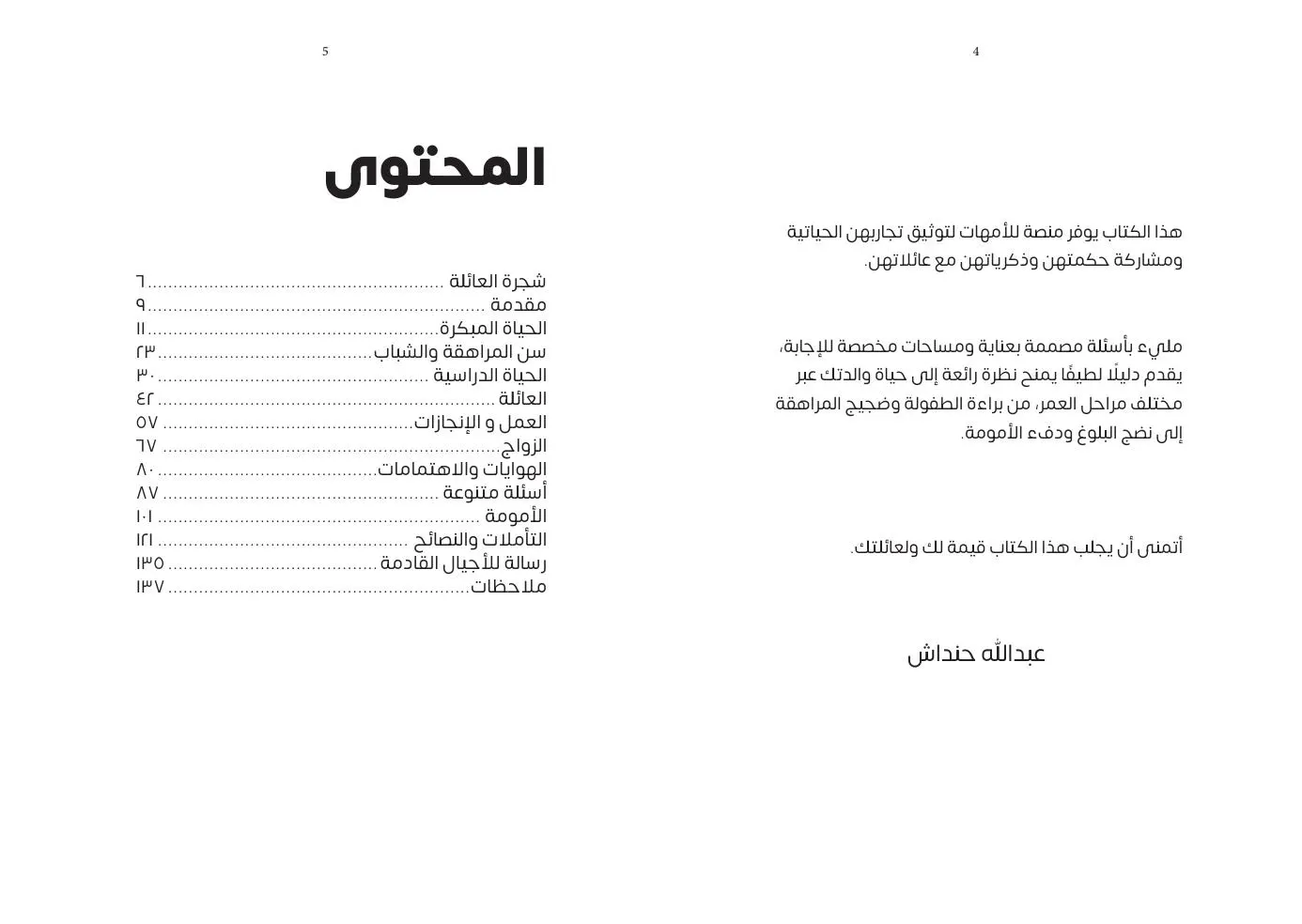
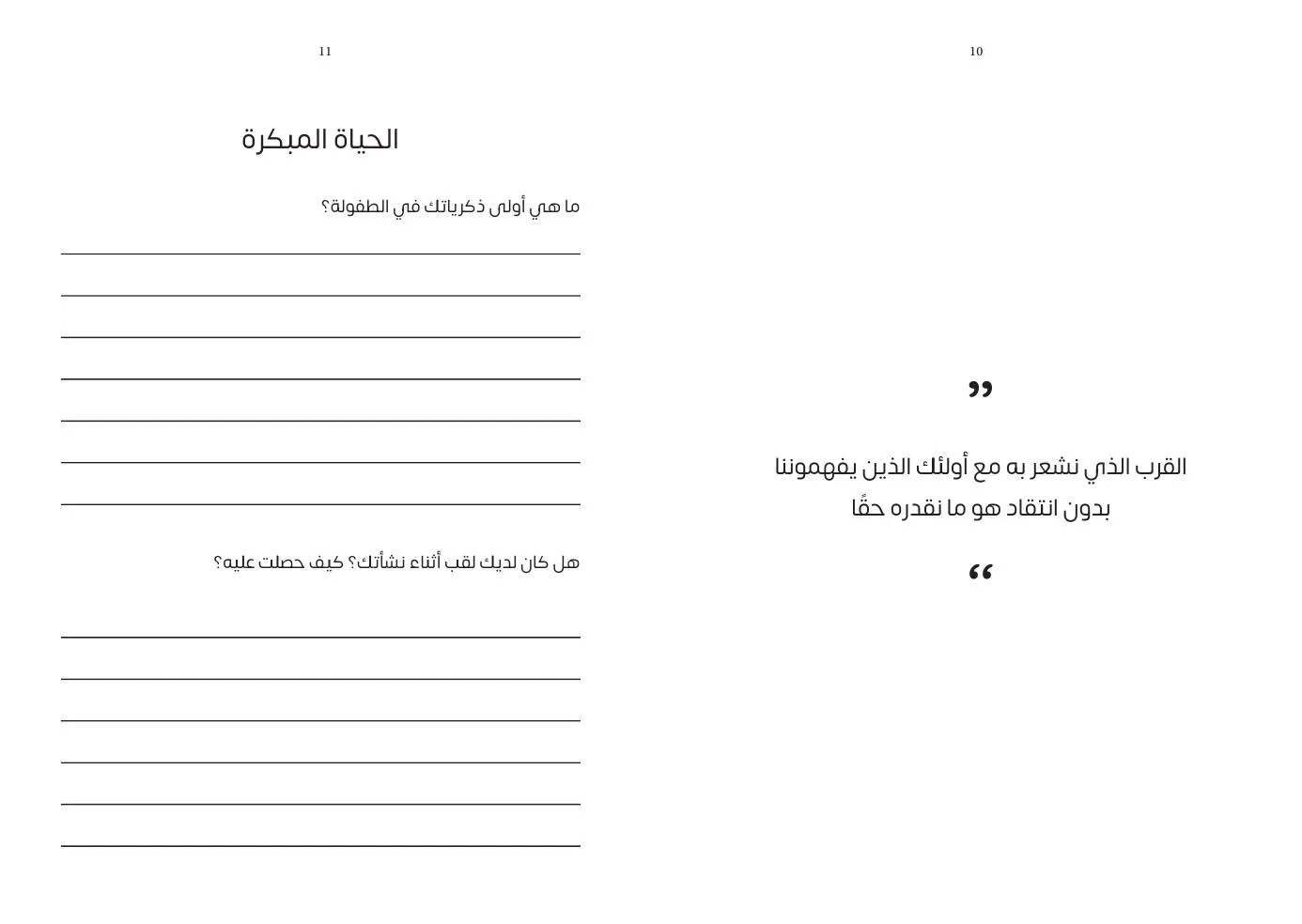
Authors and publishers usually discover a formatting problem after it's already visible — in a print proof, an EPUB preview, or worse, after publication. The most frequent symptoms:
| Symptom | What's Actually Wrong | Real-World Impact |
|---|---|---|
| Letters appear disconnected or floating | Incorrect contextual letter shaping, often from font substitution. See why this happens | Text looks broken to any Arabic reader |
| Numbers or page order run the wrong direction | Numeral system mismatched to target market, RTL flow inconsistent | Confuses readers, looks unprofessional: see signs of self-published formatting |
| Diacritics sit in the wrong place or are missing | Tashkeel added mechanically, without tajweed sensitivity | Can change meaning in religious texts: see how |
| Justified text has ugly gaps or cramped lines | Word-spacing justification used instead of kashida | Breaks the visual rhythm Arabic readers expect |
| Footnotes or references break in a long manuscript | No consistent structural rules across chapters | Costly to fix late, often needs full re-layout |
| Print file rejected by KDP or a printer | Missing bleed, wrong trim size, fonts not embedded. See Print-Ready PDF Formatting | Delays publication, sometimes by weeks |
Most of these come from one root cause: a translation agency handling layout as an afterthought, without in-house Arabic typesetting expertise. See typesetting vs. translation below.
200+ books typeset across religious, academic, and commercial publishing, for clients including Looh Press, Imam Ghazali Publishing, the Islamic Banking Industry of Pakistan, and AAOIFI (Accounting and Auditing Organization for Islamic Financial Institutions). Work has covered everything from full Quranic text with tashkeel to multi-volume scholarly reference series and bilingual Arabic-English academic titles.
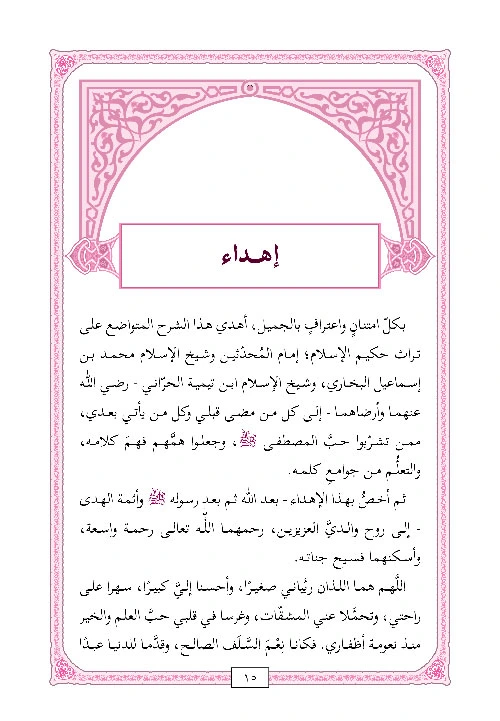
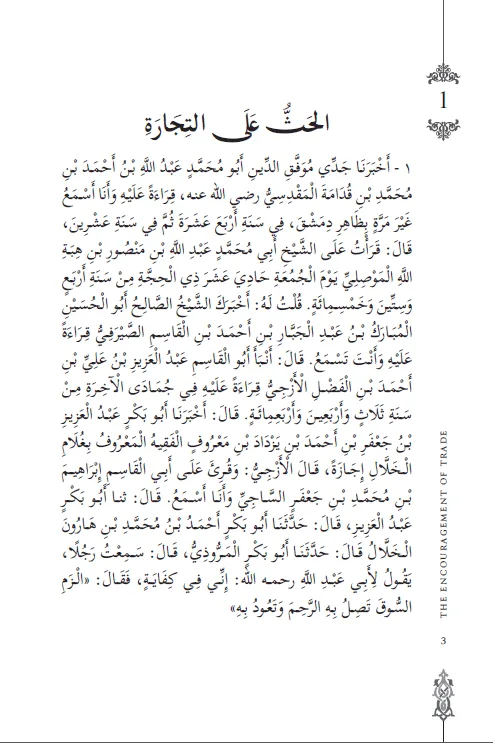
Translation changes the language. Typesetting changes the layout. Most translation agencies only do the first one well — and many advertise formatting as included while quietly subcontracting the actual layout work.
| Translation | Typesetting | |
|---|---|---|
| What it does | Converts meaning from one language to another | Arranges the text into a readable, correctly structured page |
| Where the job ends | Once the Arabic text is linguistically accurate | Once the text reads correctly in every direction — shaping, tashkeel, justification, structure |
| Common failure point | Mistranslation, tone, terminology | Misjoined letters, wrong numerals, broken RTL flow |
| Who typically does it | Translators and linguists | Specialist Arabic typesetters using RTL-native layout tools |
An accurate translation with poor typesetting is one of the most common reasons Arabic books look unprofessional despite correct content. We do our typesetting in-house, by people who work in Arabic layout every day — not as an afterthought to translation.
From a single self-published title to a multi-volume scholarly series, every project gets the same in-house attention: correct RTL structure, proper letter shaping, and a print- or eBook-ready file at the end.
Full tashkeel and tajweed-sensitive layout for Quranic passages, handled with the accuracy the text demands — no shortcuts, no auto-generated diacritics. See our Quranic Text Formatting Services page for the full process.
Clean RTL/LTR alignment for dual-language books, with both languages reading naturally in their own direction and nothing colliding at the margin. See our Bilingual Arabic-English Book Formatting page for layout format options and the full process.
Heading hierarchy, consistent numbering, and style-guide adherence across long documents — structural and stylistic consistency before or during typesetting.
Clean, consistent structure for references, citations, and multi-chapter scholarly works — built to hold up across a 300+ page manuscript. For a work spanning multiple books. See Multi-Volume & Series Formatting.
Line breaks and meter preserved for classical Arabic poetry and diwans, laid out with the balance the form calls for, not squeezed into a generic template. See Arabic Poetry & Diwan Formatting for misra pairing and qafiya alignment details.
Nastaliq and Naskh script handling, InPage-to-InDesign conversion, and print or EPUB output for Urdu-language manuscripts. See Urdu Book Formatting Services for script selection, tooling, and font details.
Print-ready PDFs with correct trim, bleed, and embedded fonts, or EPUB files formatted for Kindle and other eReaders — both output from the same typeset file. See Print-Ready PDF Formatting for the print side, or Arabic eBook Formatting Services for KDP's specific Arabic requirements and format options.
Quran and Hadith citation formatting, transliteration correction, and inline Arabic-quotation handling for English-language Islamic books. See English Islamic Book Formatting Services for the full scope.
Heavily footnoted works, indexes, and cross-referenced texts kept legible and correctly numbered, even when references stack up page after page. See our Arabic Editorial Formatting & Design Services page for the full structural process.
Accurate typing and digitization of handwritten or scanned Arabic manuscripts, laying the foundation for a clean typeset file. See Arabic Typing Services for the full process.
Manual digitization of handwritten and scanned Urdu documents, typed by hand, not run through unreliable automated OCR. See Urdu Typing Services for the full process.
Custom Thuluth, Diwani, Kufic, or Naskh calligraphy for a book title or cover wordmark, delivered as a print-ready file, calligraphy art only, not full cover design. See Arabic Calligraphy Art for Book Covers for styles and file formats.
Clients often ask us to use "Arabic numbers" — but that phrase is ambiguous, and getting it wrong is one of the most common Arabic typesetting mistakes. There are three numeral systems in play, and which one your book needs depends on its target country, not just its language:
| Numeral System | Sample | Where It's Used |
|---|---|---|
| European (Western Arabic) | 0 1 2 3 4 5 6 7 8 9 | Morocco, Algeria, Tunisia |
| Arabic-Indic | ٠ ١ ٢ ٣ ٤ ٥ ٦ ٧ ٨ ٩ | Egypt, Saudi Arabia, Iraq, Gulf states |
| Eastern Arabic-Indic | ۰ ۱ ۲ ۳ ۴ ۵ ۶ ۷ ۸ ۹ | Iran, Afghanistan (Persian/Farsi, not Arabic) |
A book using the wrong numeral system for its target market reads as visibly out of place to local readers — similar to using the wrong currency symbol or date format. We confirm this during manuscript review, before layout begins. For how numerals, embedded English names, and dates behave inside a line of Arabic text. See Mixed Arabic-English Text: Numbers, Names & Dates.
A lot of agencies treat Arabic as "English, mirrored." It isn't. Three things make Arabic typesetting a genuinely different discipline, and getting any one of them wrong is what makes a document look amateur. See 10 signs your Arabic book formatting looks self-published for the full list:
A few terms that come up throughout this page, defined plainly:
These three are often lumped together, and confusing them leads to the wrong service being requested. Here's how they're distinct:
| Service | What It Does | When You Need It |
|---|---|---|
| Typesetting | Lays out the finished text on the page — RTL flow, letter shaping, tashkeel, justification, structure | Every book, before print or publication |
| Proofreading | Checks the text itself for spelling, grammar, and diacritic accuracy — a language and content review, not a layout task | Before typesetting begins, or as a dedicated final content check |
| Calligraphy | Hand-drawn or digitally rendered decorative Arabic lettering, used for titles, covers, or standalone art | Cover art, chapter headers, or decorative elements — not full manuscript layout |
Format Fix's core service is typesetting. Custom Arabic calligraphy for a book cover is offered as its own service, separate from typesetting and from full cover design. See Arabic Calligraphy Art for Book Covers for styles, file formats, and how it's ordered.
Font style is selected to match your book's genre and script, Naskh for Quranic and classical text, contemporary faces for commercial titles. If your project needs a specific licensed typeface, you supply the license or font file; otherwise a suitable font is used, with licensing details confirmed at the quote stage. See Arabic Font Selection & Licensing for how font licensing actually works.
Word documents, InDesign or InPage files, scanned PDFs, and even handwritten or scanned manuscripts, typed up first via Urdu Typing Services or Arabic Typing Services, are all accepted. Manuscript review at the start of every project confirms the file format and flags any conversion work needed before layout begins.
Quranic and other religious text carries a standard of accuracy that ordinary manuscripts don't. Every Quranic typesetting project follows a verification-first approach: the Mushaf al-Madinah (King Fahd Complex) layout conventions are used as the reference standard for tashkeel and tajweed mark placement, and the typeset text is checked character-by-character against the source rather than relying on automated diacritic generation. For projects requiring formal scholarly sign-off, the final proof is structured to be easy for a religious reviewer to check against the source text before approval.
Five stages, the same way every time. Nothing skips the proofing stage — that's where misjoined letters and misplaced diacritics get caught before you ever see the file.
We check source files, fonts, and structure before layout begins.
RTL structure, letter shaping, and page architecture are built.
Fonts and numeral systems are matched to your book's target market.
Every page is checked for misjoined letters and misplaced diacritics.
Print-ready PDF or EPUB delivered, with 2 rounds of revisions included.
Typical turnaround: 2–3 weeks, confirmed against your manuscript's length and complexity at the quote stage.
Request A Quote
Format Fix is run by Ata Rafi, Founder and Chief Formatter, who reviews and signs off on the typesetting standard applied to every project — from a single self-published title to a multi-volume institutional reference series. Every manuscript that comes through Format Fix is handled directly by people who work in Arabic layout every day, not routed through a subcontractor.
More about Format Fix → · Why that distinction matters → · Vs. offshore mills →
Three project patterns we regularly handle across religious, academic, and bilingual publishing.
The Challenge
AAOIFI's Sharia Standards, originally in Arabic, translated into Urdu standard by standard by multiple scholars, then reviewed by a review board whose notes and changes had to be incorporated, all compiled into a single 1,400-page volume, sponsored by the Islamic Banking Industry of Pakistan and multiple banks.
What We Did
Outcome
A single, internally consistent 1,400-page reference volume, managed by AAOIFI and sponsored by the Islamic Banking Industry of Pakistan and multiple banks.
The Challenge
A three-volume English tafsir, first published in 1991, used inconsistent transliteration throughout. Fixing it meant retyping the manuscript and then typesetting all three volumes as one consistent set.
What We Did
Outcome
A consistent three-volume English tafsir, across more than 3,000 processed pages, with every ayah findable by number.
The Challenge
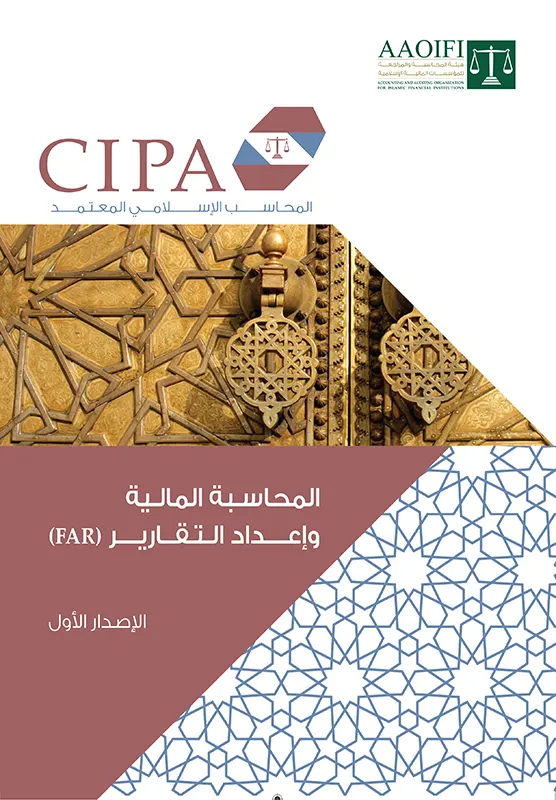
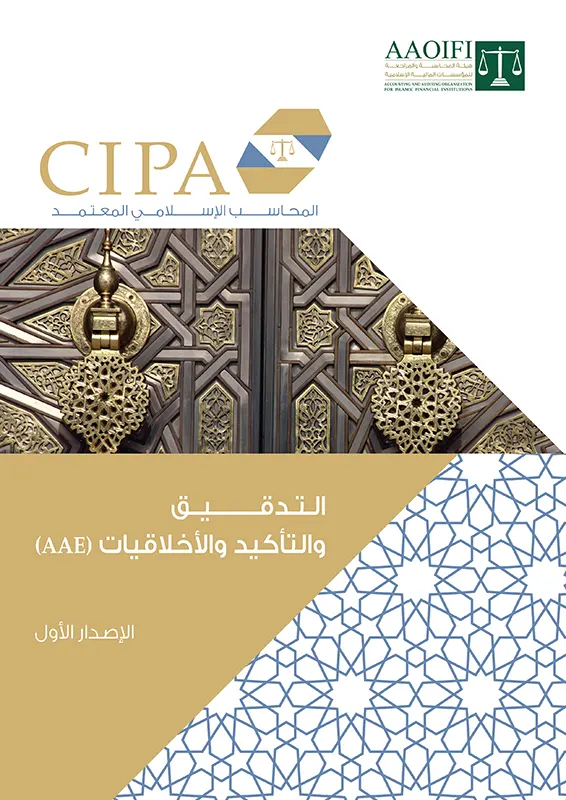
The four Arabic AAOIFI CIPA course books arrived as raw Word documents. The tables, graphics and material were all there, but in raw form and with no consistent structure across the four books.
What We Did
Outcome
Four Arabic course books that read as one consistent set, ready for print and distribution.
"We highly appreciate your professional work."
"Very professional and fast delivery, highliy recommend the service."
"Truly delivered a MASTERCLASS in interior design and typesetting."

"Great work! Will be consulting him again for future calligraphy projects."
Islamic schools and institutions producing course material, reference texts, and internal publications.
Academic researchers preparing manuscripts for publication, peer review, or institutional archives.
Publishers and institutes needing consistent, production-ready files across multiple titles.
Independent authors taking a finished manuscript to KDP, IngramSpark, or a regional printer.
Universities and research bodies producing scholarly Arabic and bilingual material.
Organizations producing outreach and educational material for distribution across regions.
We've typeset books for clients across 7+ countries, spanning the Gulf, North Africa, South Asia, and Western publishers producing Arabic-language material. Manuscript review, layout, and proofing are all handled remotely, what matters is confirming the target market early, since that decision drives numeral system, dialect considerations, and regional font preferences.
Arabic book typesetting is the layout and composition of a manuscript in Arabic script for print or digital publication, including right-to-left text flow, contextual letter shaping, tashkeel placement, and kashida-based justification.
Translation changes the language; typesetting changes the layout. A translator's job ends once the Arabic text is accurate — a typesetter's job is making that text sit correctly on the page, in every direction.
It depends on your target country: European numerals for Morocco/Algeria/Tunisia, Arabic-Indic for Egypt/Saudi Arabia/Iraq/Gulf states, and Eastern Arabic-Indic for Iran/Afghanistan (Persian/Farsi).
Yes — full tashkeel and tajweed-sensitive layout is handled with the accuracy the text demands, with no shortcuts or auto-generated diacritics.
Yes — print-ready PDFs with correct trim, bleed, and embedded fonts, or EPUB files formatted for Kindle and other eReaders, both from the same typeset file. See Print-Ready PDF Formatting for print-file specifics, or Arabic eBook Formatting Services for KDP's specific Arabic submission requirements and rejection reasons to avoid.
Cost depends on manuscript length, complexity (footnote density, bilingual layout, Quranic tashkeel), and delivery format. Every project starts with a free quote based on the actual manuscript. See Pricing & Quote for how quotes work, or What Affects Arabic Book Typesetting Cost for the full factor breakdown.
Yes — bilingual layout is a core part of the service, with RTL and LTR text each reading naturally in its own direction and nothing colliding at the margin or in cross-references. See Bilingual Arabic-English Book Formatting for layout format options, page-numbering logic, and pricing.
Both. Self-publishing authors submitting to KDP or IngramSpark get the same in-house typesetting attention as institutional multi-volume projects — the process scales to the manuscript, not the other way around.
Print-ready PDF (with correct trim, bleed, and embedded fonts) and EPUB for digital and eReader distribution, generated from the same typeset source file to keep both versions consistent.
Tell us about your manuscript and get a free, no-obligation quote from a publishing specialist.
Request A Quote