Urdu formatting isn't Arabic formatting with a different alphabet swapped in. Nastaliq's diagonal flow, its baseline-hanging characters, and its ligature behavior break in tools built for Naskh-style Arabic or for left-to-right scripts — and most broken Urdu books trace back to that mismatch. Format Fix formats Urdu books for print and digital around how Nastaliq and Naskh actually behave, not around a generic RTL template.
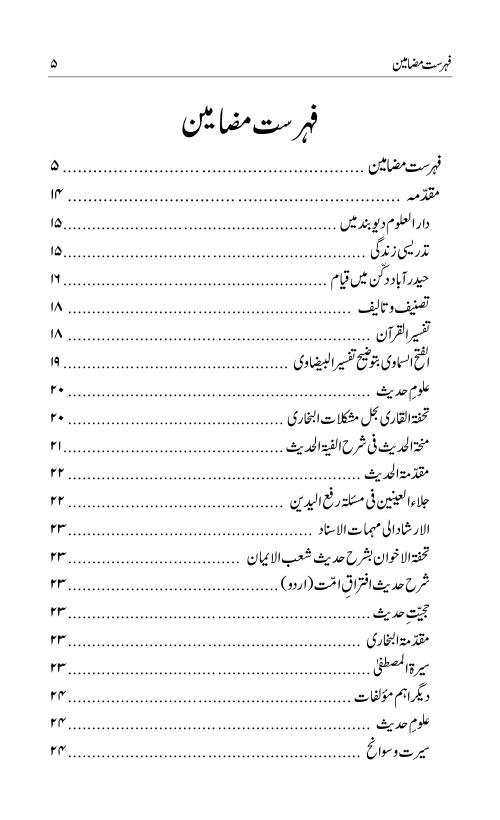
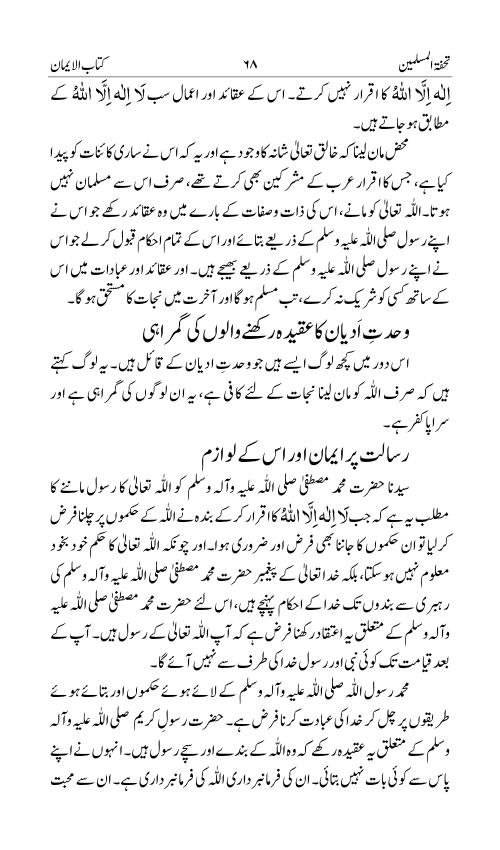
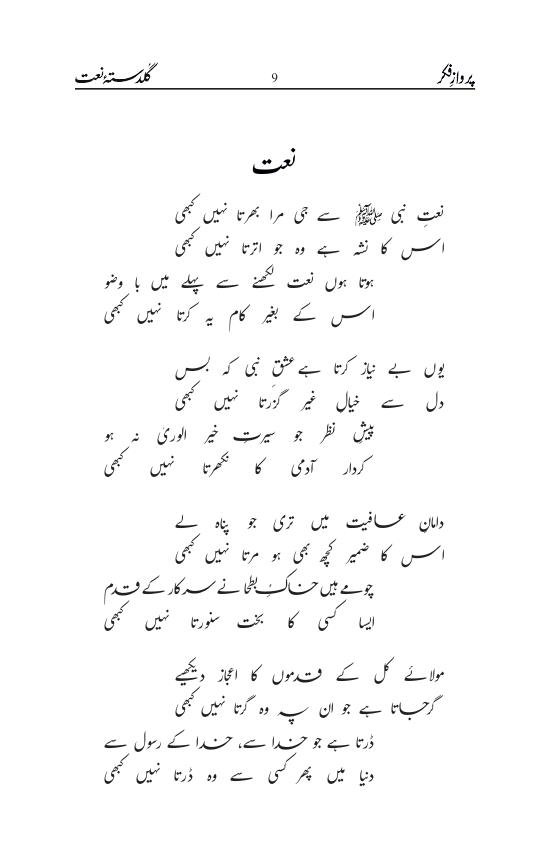
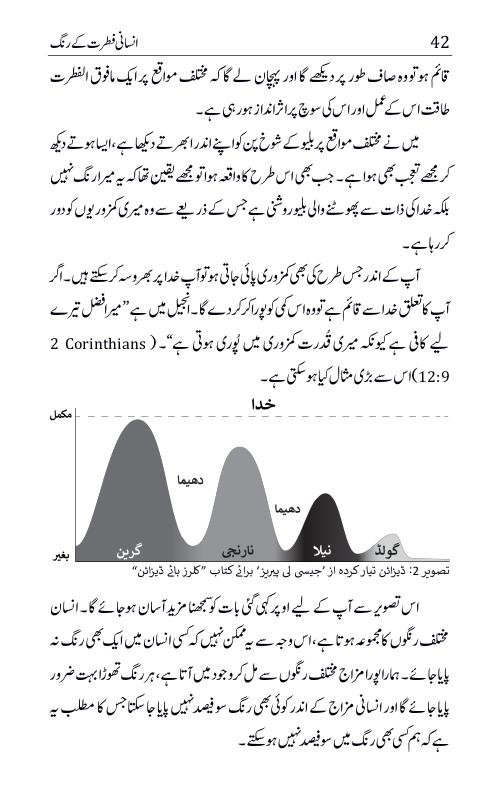
Real pages from Urdu books formatted by Format Fix — covers, contents pages, body text, and poetry. Click any page to see it full size.
 Cover page
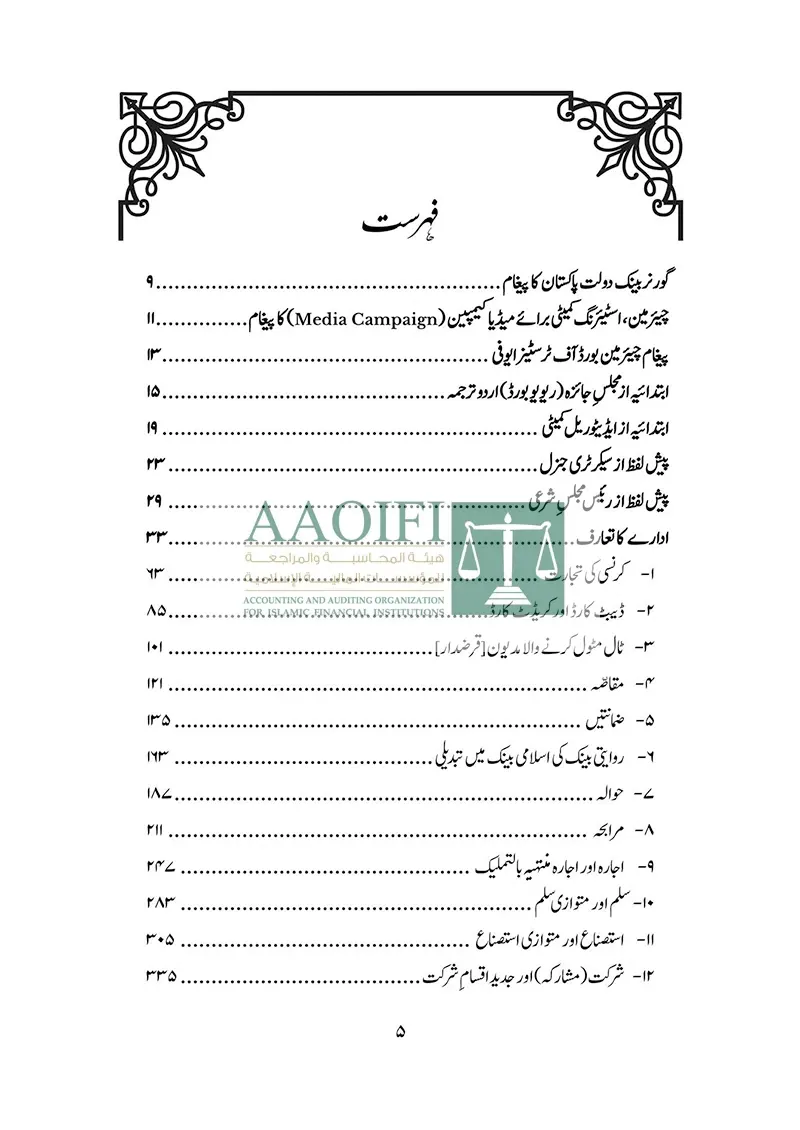 Contents page
 Standard opener page
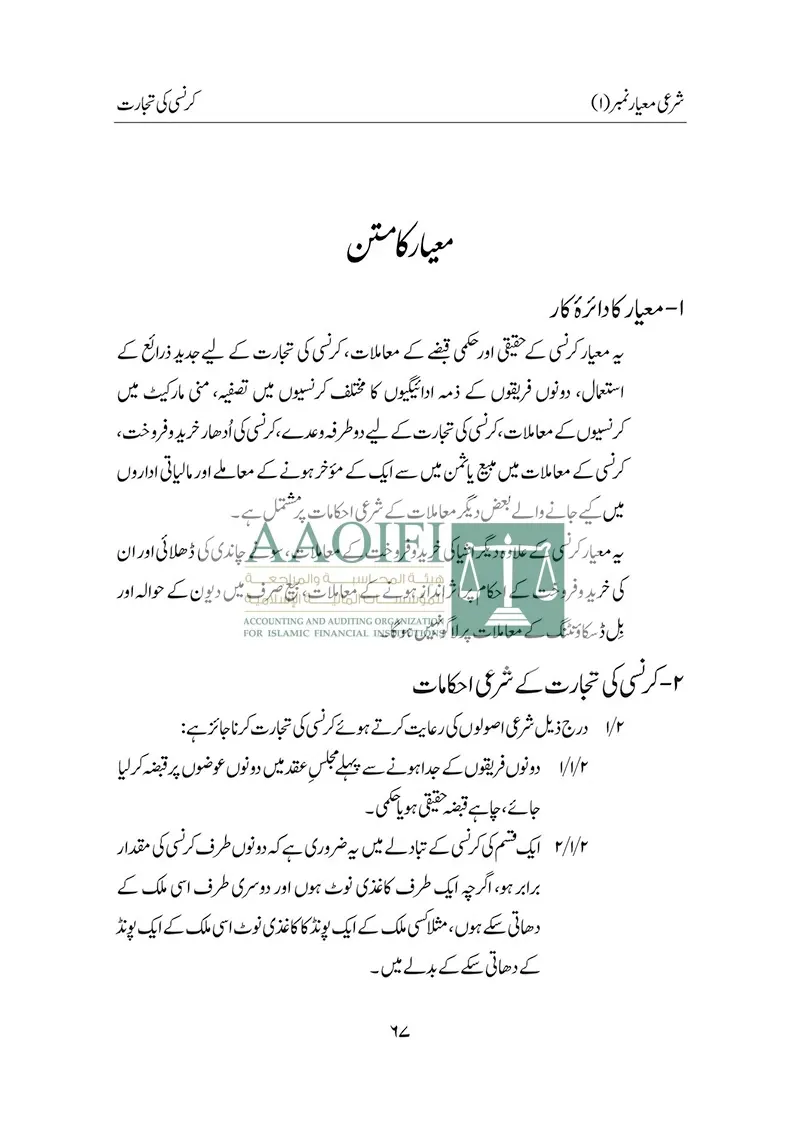 Standard text with numbered clauses
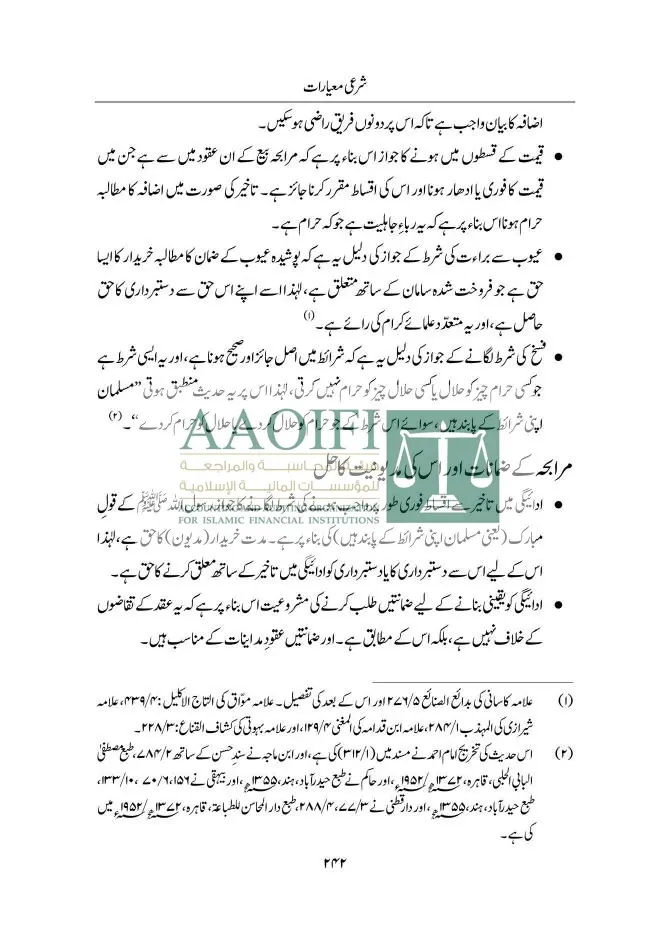 Bulleted text with footnotes
Urdu book formatting is the process of laying out an Urdu manuscript — in Nastaliq or Naskh script — so it reads correctly and consistently in print or digital form: right-to-left flow, correct ligature joining, stable diacritic and baseline behavior, and (for ebooks) a working right-to-left reading order in the file itself. It's a separate discipline from translation, which decides the words, and from typing, which enters them — formatting is what happens after the text exists, to make it publishable. If your manuscript is still handwritten or scanned, see Urdu Typing Services for that step first.
Urdu and Arabic share a script base, but Urdu is set almost entirely in Nastaliq or Naskh calligraphic styles with different structural demands than standard Arabic typesetting:
Most Urdu books — novels, poetry, general non-fiction, magazines — are set in Nastaliq; it's the script Urdu readers expect. Naskh appears mainly in Urdu religious texts, some academic and reference publishing, and titles produced by publishers who've shifted toward Naskh for production simplicity. Neither script is "replacing" the other outright — the choice depends on genre, audience expectation, and publisher convention, not a universal industry shift.
If your book is a religious or academic Urdu work already sitting next to Arabic script, Naskh is worth a direct conversation before formatting starts. See Arabic Font Selection & Licensing for how font licensing works once a script is chosen, or the Arabic Typography Glossary for a quick definition of Naskh, Nastaliq, and related terms.
Nastaliq isn't a font-swap on top of a Naskh or Latin layout engine — it's a structurally different script, and most rendering failures come from tools applying flat-baseline, horizontal-flow assumptions to a script that doesn't work that way.
Nastaliq's diagonal slope causes characters to hang into the line above or below when line spacing is set for a flat-baseline script instead of Nastaliq's actual vertical footprint.
Standard justification algorithms stretch word spacing evenly across a line — Nastaliq needs spacing that respects its diagonal flow, or justified paragraphs end up visibly uneven.
Nastaliq relies on a far larger ligature set than Naskh or Latin scripts. Tools without a full Nastaliq ligature library render disconnected or incorrectly-shaped letters mid-word — see why disconnected letters happen.
Diacritical marks positioned for a flat baseline shift out of place once placed on Nastaliq's sloped character forms.
Nastaliq's diagonal flow makes couplet and stanza alignment in poetry especially sensitive to line-height and spacing errors that wouldn't show up in prose.
Nearly every issue above comes from a layout tool applying the wrong script model to Nastaliq — which is why tool choice, covered next, is the real first decision.
Formatting DiagnosisThis is the decision that determines whether your Urdu book formats cleanly the first time or needs to be rebuilt later — and it's rarely explained in terms of what each tool is actually good and bad at.
Built specifically for Urdu, Arabic, and Persian, with a large native Nastaliq ligature library and WYSIWYG display that renders Nastaliq's calligraphic shape accurately on screen. It's the tool most Urdu publishing has historically been produced in.
Nastaliq-heavy manuscripts, poetry, and projects staying entirely within the Urdu-publishing workflow
Weaker interoperability with modern print-production and EPUB pipelines; files often need conversion for professional print or ebook output
The professional standard for print production and EPUB export, with proper bleed, color, and multi-format output control — and it supports Nastaliq natively through OpenType (the font technology that stores a script's full ligature set inside the font file itself), provided the font and paragraph settings are configured correctly, which is where the rendering failures above actually come from.
Print-ready books, EPUB/KDP delivery, and any project needing professional production controls
Requires correct Nastaliq font and paragraph configuration — done wrong, it reproduces the same baseline and ligature failures InPage was built to avoid
In practice, most projects here start in whichever file the manuscript already exists in and move to InDesign for final print or EPUB production — which is what the conversion step below covers.
Font choice affects more than appearance — ligature coverage, embedding behavior, and licensing terms all change which font is right for a given output.
Font selection is confirmed per project against the specific output format — a font that embeds cleanly in print doesn't automatically behave the same way in EPUB.
Trim size, margins, and bleed set for physical binding; fonts embedded in a print-ready PDF; Nastaliq or Naskh checked against the actual paper stock and print resolution, not just on-screen. See Print-Ready PDF Formatting for the general trim/bleed/embedding standards this follows.
Right-to-left reading order set at the file level; reflowable or fixed-layout EPUB chosen based on how sensitive the script's diacritics and ligatures are to reader-side font substitution.
Both formats depend on the same underlying fix: correct ligature handling and baseline spacing established before conversion, not patched after the file is already broken.
No — Urdu does not currently appear on Amazon KDP's supported language list at all, for either paperback or ebook. This is a stricter limitation than Arabic, which KDP does support as an ebook-only language. Authors publishing Urdu-language books on KDP typically need to work through a supported language designation or a different platform entirely for direct Urdu-language listing — this is worth confirming against KDP's current language list before formatting begins, since platform support changes over time. See Arabic eBook Formatting for how the equivalent Arabic-language process works where it is supported.
KDP Supported LanguagesNastaliq or Naskh confirmed against genre and audience expectation before layout work starts, not defaulted automatically.
Line spacing and ligature joining set for the script's actual structure, preventing baseline collision and broken letter-forms.
Existing InPage files converted to InDesign for print or EPUB production, with ligature and spacing verified after conversion, not assumed.
A production-ready font chosen per output format, with licensing and embedding behavior confirmed before delivery.
Print-ready PDF and EPUB files generated from the same corrected source, keeping both versions consistent with each other.
Couplet and stanza alignment checked specifically for Nastaliq's diagonal flow, where standard spacing rules don't apply cleanly.
The manuscript's script (Nastaliq or Naskh), current file format, and target output (print, EPUB, or both) are confirmed before any layout work starts.
InPage files are converted to InDesign where needed, with a matching production-ready font applied and ligature coverage checked.
Line spacing and justification are rebuilt for the script's actual structure, not carried over from a flat-baseline default.
Print-ready PDF, EPUB, or both are generated from the corrected source, matching the requirements of each output.
A native Urdu reader reviews the finished file before delivery — covered in full below.
"A native speaker reviews it" is a common claim with no detail behind it. Here's specifically what gets checked before an Urdu file is delivered:
These overlap in people's minds because the scripts look related. Here's what actually separates them.
Nastaliq or Naskh script, formatted for Urdu-language print or ebook output — this page's scope.
A different script tradition with its own rendering rules and KDP publishing status. See Arabic Editorial Formatting or Quranic Text Formatting.
A book combining Urdu and English content, needing direction-switching and dual-numbering logic beyond single-language formatting. If your project is Urdu-English rather than Urdu-only, mention this when requesting a quote so it's scoped correctly.

Every Urdu project is reviewed and signed off on by Ata Rafi, Founder and Chief Formatter at Format Fix, who treats Nastaliq and Naskh as the structurally different scripts they are — not as Arabic with a different font applied. That distinction is exactly what generic DTP services get wrong.
It's the process of laying out an Urdu manuscript in Nastaliq or Naskh script so it reads correctly in print or digital form — correct right-to-left flow, stable ligature joining, and proper baseline spacing.
Most general-audience Urdu books use Nastaliq. Naskh appears mainly in religious texts printed alongside Arabic, and in some academic or reference publishing. The choice depends on genre and audience expectation, not a fixed industry rule.
Generic tools apply flat-baseline, horizontal-flow rules built for other scripts. Nastaliq's diagonal slope and large ligature set need spacing and joining logic those tools don't account for, causing baseline collision, broken ligatures, and uneven justified spacing.
InPage has the strongest native Nastaliq ligature support and is where most Urdu manuscripts originate. InDesign is the professional standard for print and EPUB production and supports Nastaliq natively through OpenType, but needs correct font and paragraph configuration to avoid rendering failures — see what's actually involved in getting that configuration right. Most projects start in InPage and convert to InDesign for final output.
Jameel Noori Nastaleeq is the general-purpose industry default for print. Noto Nastaliq Urdu is open-source and safe for ebook embedding without separate licensing. The right choice depends on the output format and licensing terms for that specific use.
Urdu doesn't currently appear on KDP's supported language list at all, for paperback or ebook — a stricter limitation than Arabic, which KDP supports as ebook-only (see Can You Print an Arabic Book Through Amazon KDP?). This should be confirmed against KDP's current language list before formatting begins, since platform support can change.
Yes — couplet and stanza alignment is checked specifically for Nastaliq's diagonal flow, which is more sensitive to line-height and spacing than prose. See Arabic Poetry & Diwan Formatting for the same verse-first approach applied to Arabic-script poetry.
Yes — mention this when requesting a quote so the project is scoped for direction-switching and dual-numbering logic rather than single-language formatting. See Bilingual Book Formatting for how the equivalent Arabic-English process works.
Quotes are based on manuscript length, script (Nastaliq or Naskh), whether conversion from InPage is needed, and output format — not a flat per-page rate. See Pricing & Quote for how the quote process works.
Get a free quote based on your actual manuscript — script, length, and output format.
Request A Free Quote