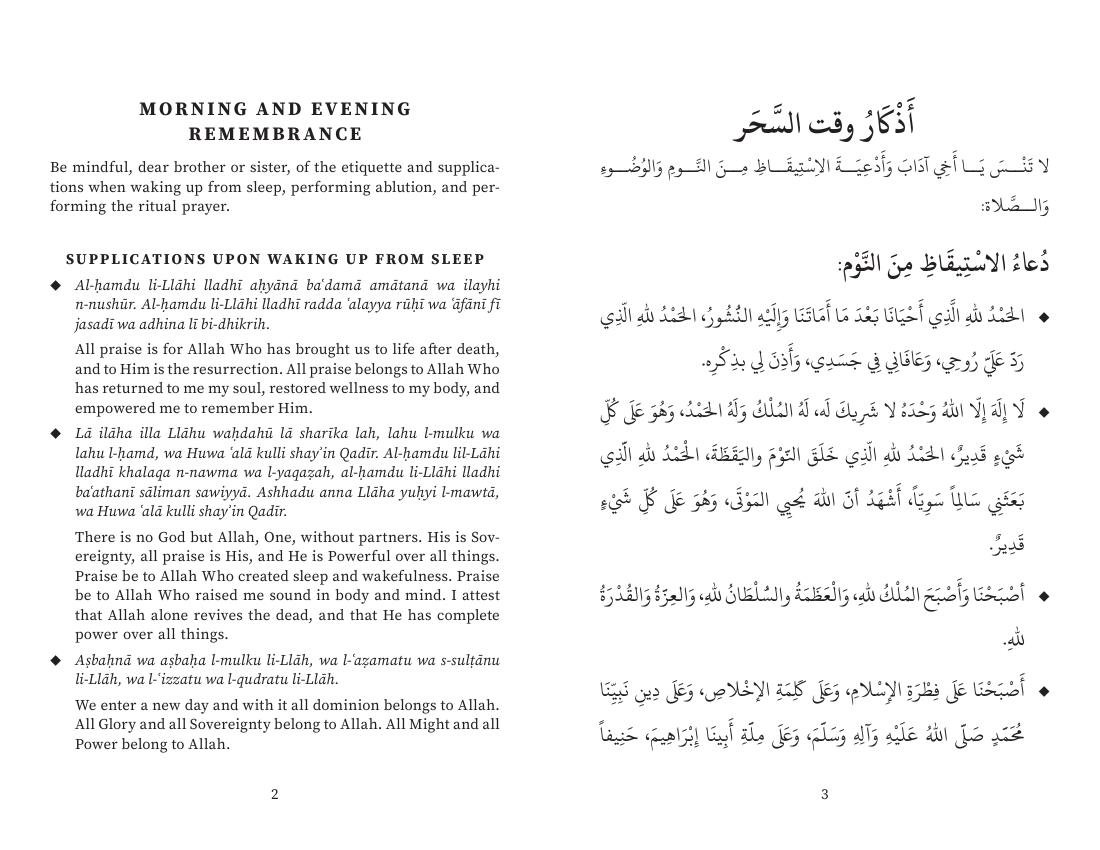
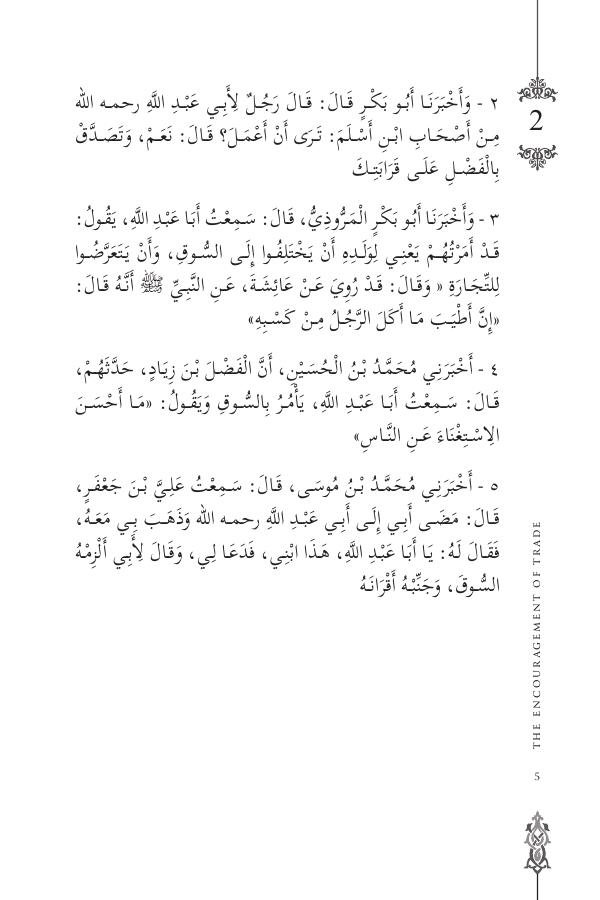
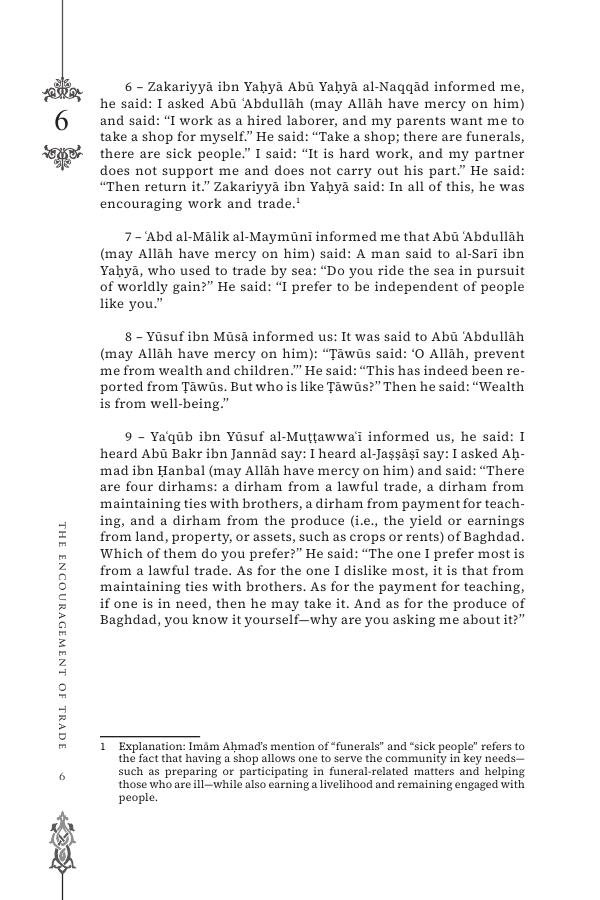
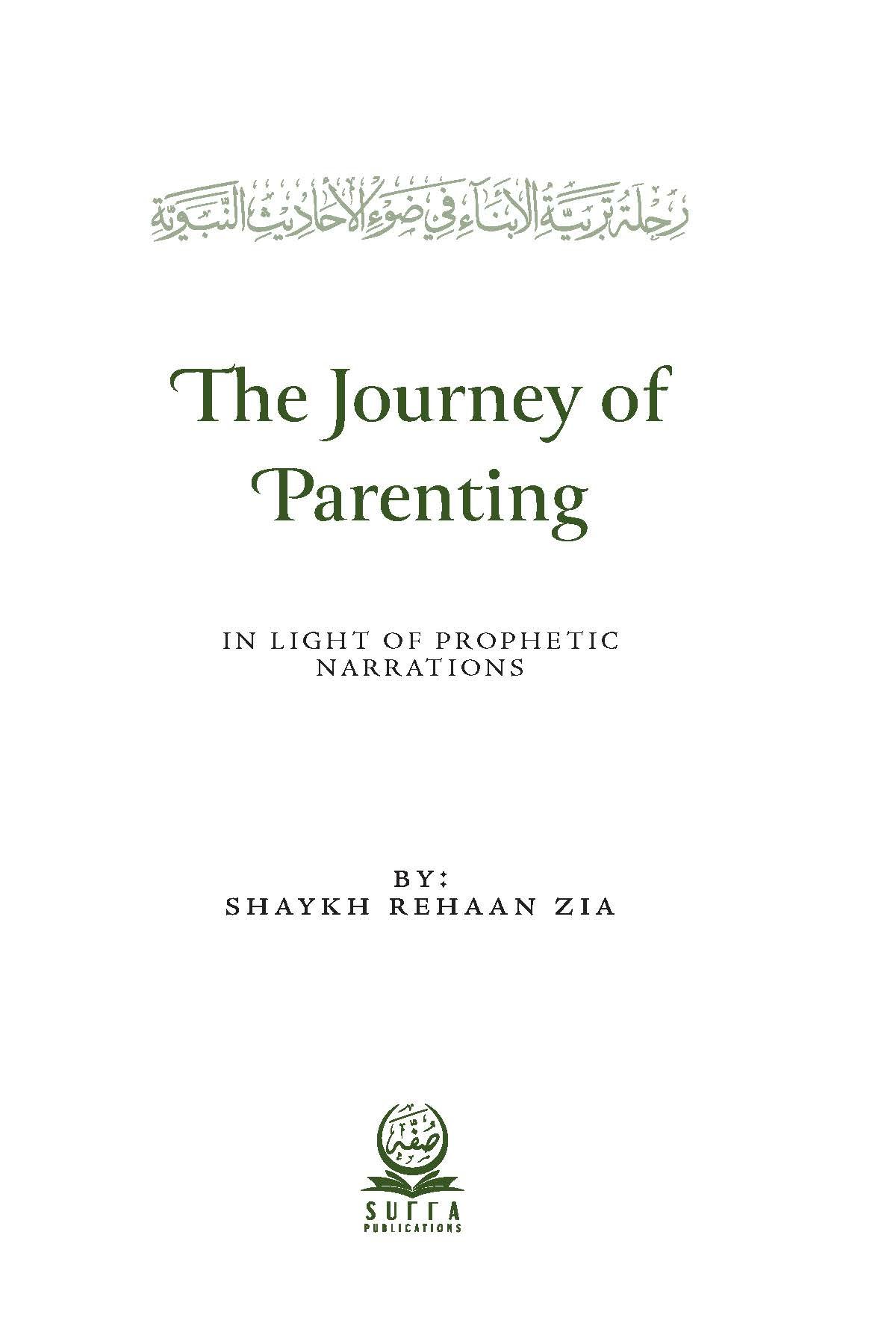
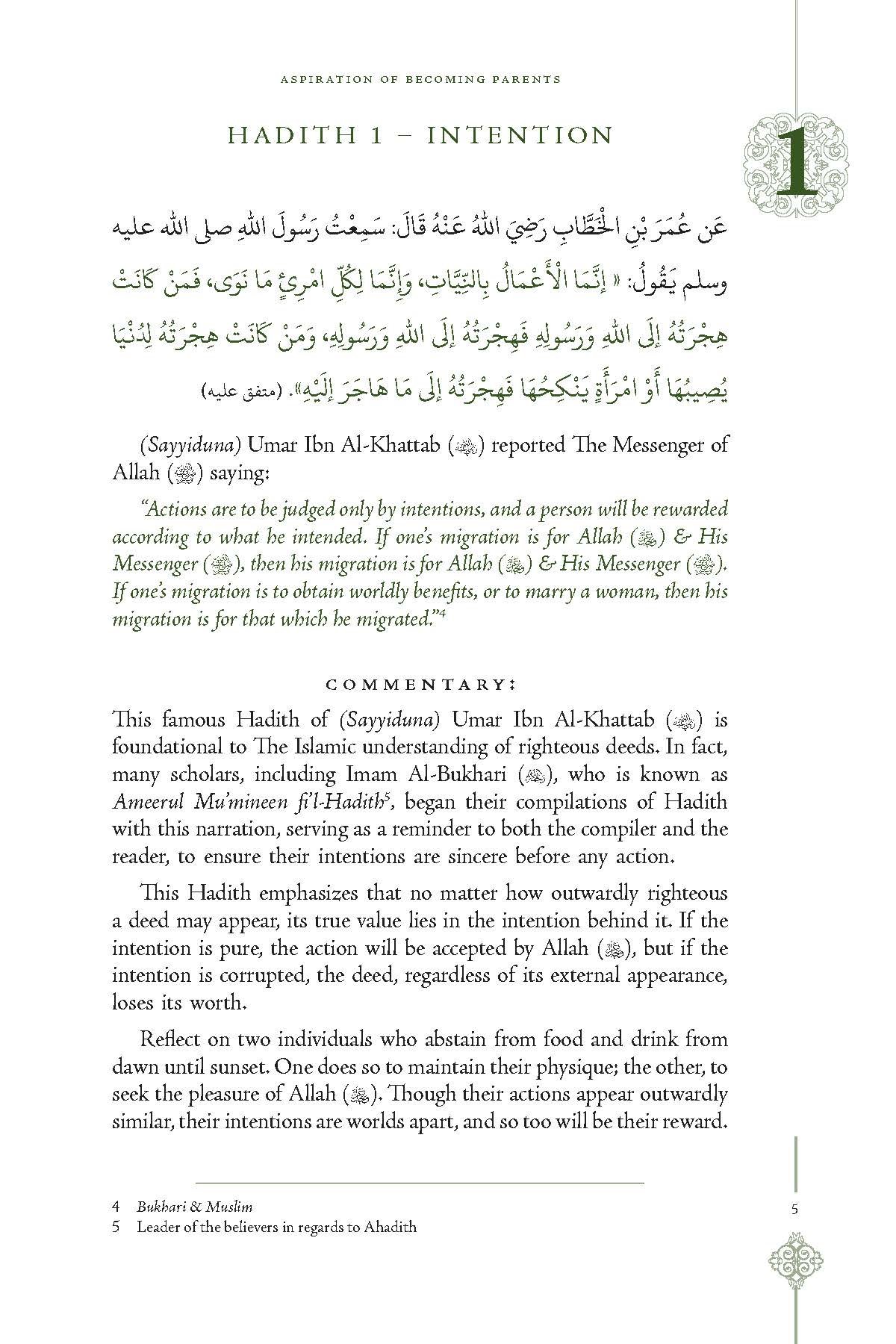
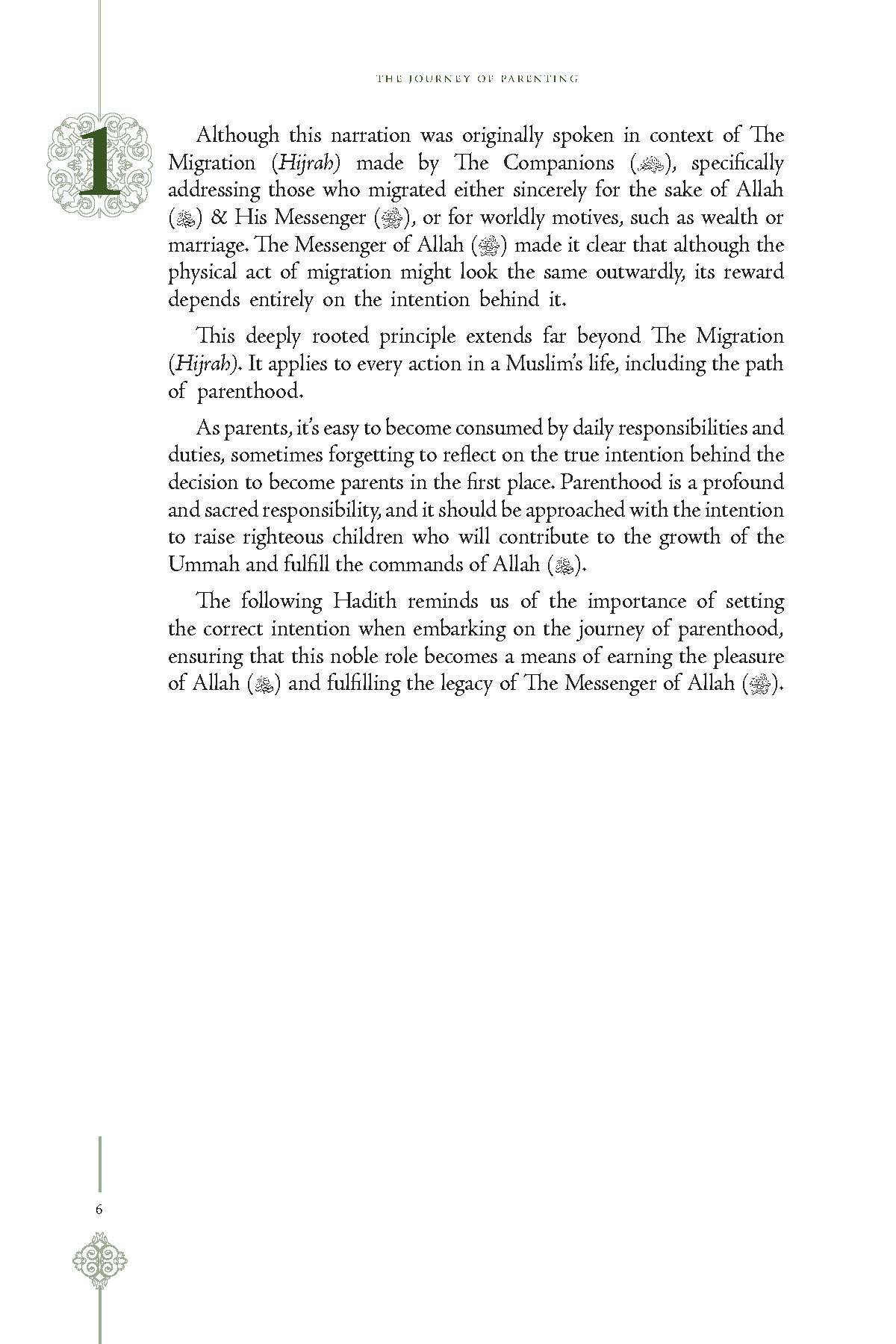
A bilingual Arabic-English book isn't two single-language books glued together. Arabic reads right-to-left, English reads left-to-right, and every shared element — page numbering, margins, cross-references, even which numerals to use — has to resolve for both directions at once, on the same physical page or the same physical binding. Format Fix formats bilingual Arabic-English manuscripts by hand in Adobe InDesign, built around that conflict from the first layout decision, not patched in afterward. See why Arabic RTL in InDesign is harder than a single setting for what that actually involves.
This service covers bilingual academic, commercial, and general-audience books. If your bilingual project is specifically a Quran-with-translation edition, that has its own precision standard — see Quranic Text Formatting Services instead.
Bilingual Arabic-English book formatting is the layout work required when a single book contains both Arabic and English content and both languages need to read naturally — Arabic right-to-left, English left-to-right — without one breaking the other's flow, numbering, or margins. It's a formatting discipline, not a translation service: the words in both languages are already decided before formatting starts. It's also distinct from single-script Arabic typesetting, where there's only one reading direction to plan around instead of two working against each other on the same page or binding.
Text flow, page order, and binding direction all run from left to right — the "front" of an English section is the left-hand cover.
Text flow, page order, and binding direction all run from right to left — the "front" of an Arabic section is the right-hand cover.
Every shared element — page numbers, margins, footnotes, numerals — has to be planned so it works in both directions at once, not resolved separately for each language and forced together afterward.
There are three established ways to structure a bilingual book, and which one fits depends on the content, not preference. Choosing the wrong one after layout has already started is one of the most expensive mistakes in bilingual publishing — it's a decision made before the first page is built.
Arabic and English appear on facing pages or in facing columns, sharing one continuous page-number sequence.
Best for: poetry, short works, dual-caption contentTwo front covers, one for each language. The book physically flips because Arabic opens from the right and English opens from the left — each language gets its own numbering sequence.
Best for: full-length dual editionsOne spine, one numbering sequence, with the language switching by chapter or section rather than running in parallel.
Best for: bilingual-fluent readers, parallel scholarly editionsIn a flip/tumble-bound bilingual book, each language's section is numbered independently, because each has its own front cover and its own reading direction. In a side-by-side layout, by contrast, both languages typically share one running page-number sequence, since the pages turn in only one direction. Getting this wrong — applying one continuous sequence to a book that physically flips — is one of the most common structural errors in bilingual print projects, and it's a layout-level decision, not something a printer can fix after files are submitted.
Both languages advance through the same page numbers, since the book only turns in one direction.
Each language's section numbers independently from its own front cover, meeting somewhere in the middle of the book.
Translated text rarely takes up exactly the same space as its source — one language routinely runs longer or shorter than the other for the same content. In a single-script book this is a spacing inconvenience; in a bilingual Arabic-English book it compounds with the RTL/LTR conflict, because margins and gutters have to be sized to absorb that variance on both sides at once, not just on the side that happens to run long in a given section. This is confirmed and planned for during manuscript review, before layout begins, rather than discovered mid-project when a paragraph suddenly doesn't fit.
Both scripts flow correctly in their own direction on the same page or binding, with nothing colliding at the margin.
Side-by-side, flip/tumble, or alternating-section structure matched to your specific project, decided before layout starts.
Which numeral system your bilingual book needs depends on target market, not just language — see our full numeral systems breakdown for the three systems in play.
Footnote and citation numbering that resolves correctly across the language switch point, not just within one script.
Spacing sized to absorb text-length variance between the two languages, planned before pagination is locked.
Print-ready files and reflowable EPUB generated from the same bilingual source, including the numbering-sequence logic a flip-bound book needs in digital form. See Print-Ready PDF Formatting for print-file specifics.
Most bilingual formatting problems come from applying single-script tools and workflow to a two-script problem. They're rarely visible until the manuscript is already laid out.
All five come from the same source: the two scripts were formatted independently and merged at the end, instead of being planned together from the first layout decision — format, numbering, margins, and numerals resolved once, for both directions at the same time.
The manuscript is reviewed to determine which layout format — side-by-side, flip/tumble, or alternating sections — fits the content.
Numeral system and script-pairing decisions are locked in before layout begins, based on target market.
Margins, gutters, and direction-aware page elements are built for both scripts simultaneously.
Footnotes and cross-references are built to resolve correctly across the language switch point.
Single or dual page-number sequences are finalized based on the binding format chosen in step one.
Both scripts are checked together — alignment, numbering, footnotes, and margins — before files are finalized.
These get bundled together constantly, but only one of them is a layout service.
Lays out two scripts in one physical book, resolving direction, numbering, margin, and numeral conflicts between them. Assumes both languages' text is already final.
Converts meaning and wording from one language to another. A translation has to exist before bilingual formatting can start — it's a language service, not a layout one.
Full RTL layout for Arabic-only content, with no second script or opposing reading direction to resolve against.
Your manuscript already has both Arabic and English content, finalized, and needs to become one physical book or digital edition.
Your content only exists in one language and needs to be translated, or your manuscript is Arabic-only with no second script to plan around.
The Challenge
An independent author with a completed bilingual Arabic-English manuscript needed it formatted for both Amazon KDP and print-on-demand, with no prior publishing experience and a tight timeline.
What We Did
Outcome
Two publication-ready files, print and EPUB, that passed KDP's technical review without rejection.

Every bilingual project is reviewed and signed off on by Ata Rafi, Founder and Chief Formatter at Format Fix, who confirms the layout format, numbering sequence, and numeral system decisions before a single page is built. This is planned as one bilingual system from the start, not two single-language jobs formatted separately and merged at the end.
It's the layout work needed when a single book contains both Arabic and English content, and both languages have to read naturally — Arabic right-to-left, English left-to-right — without one breaking the other's numbering, margins, or flow.
It depends on the content: side-by-side suits poetry and short works, flip/tumble binding suits full-length dual editions where each language needs its own front cover, and alternating sections suit bilingual-fluent readers or parallel scholarly editions. This is confirmed during manuscript review, before layout starts.
Each language's section is numbered independently from its own front cover, since the book physically opens from opposite directions for each language. A side-by-side layout, by contrast, typically shares one continuous page-number sequence across both languages.
It depends on your target market, not just the languages involved. See our full breakdown of the three numeral systems — European, Arabic-Indic, and Eastern Arabic-Indic — on the Format Fix homepage, or Mixed Arabic-English Text: Numbers, Names & Dates for how numerals behave when embedded directly in a line of Arabic text.
No — a Quran-with-translation edition needs a higher precision standard than general bilingual formatting, since the Quranic text itself requires tashkeel and Tajweed-sensitive handling. That's covered under Quranic Text Formatting Services.
Yes — cross-script footnote and cross-reference numbering that resolves correctly across the language switch point is part of this service. For manuscripts with heavy structural apparatus beyond that, see Arabic Editorial Formatting, which many bilingual academic projects combine with this service.
Both. Print-ready PDFs and reflowable EPUB are generated from the same bilingual source file, including the numbering logic a flip-bound book needs to carry over correctly in digital form. See Arabic eBook Formatting Services for KDP's Arabic-specific submission requirements and format options in more depth, and Can You Print an Arabic Book Through Amazon KDP? if the paperback side is going through KDP directly.
Quotes are based on manuscript length, which layout format the project needs, and structural complexity — footnote density, cross-references, and numeral requirements — not a flat per-page rate. See Pricing & Quote for how the quote process works.
Get a free quote based on your actual manuscript — layout format, length, and structural complexity.
Request A Free Quote