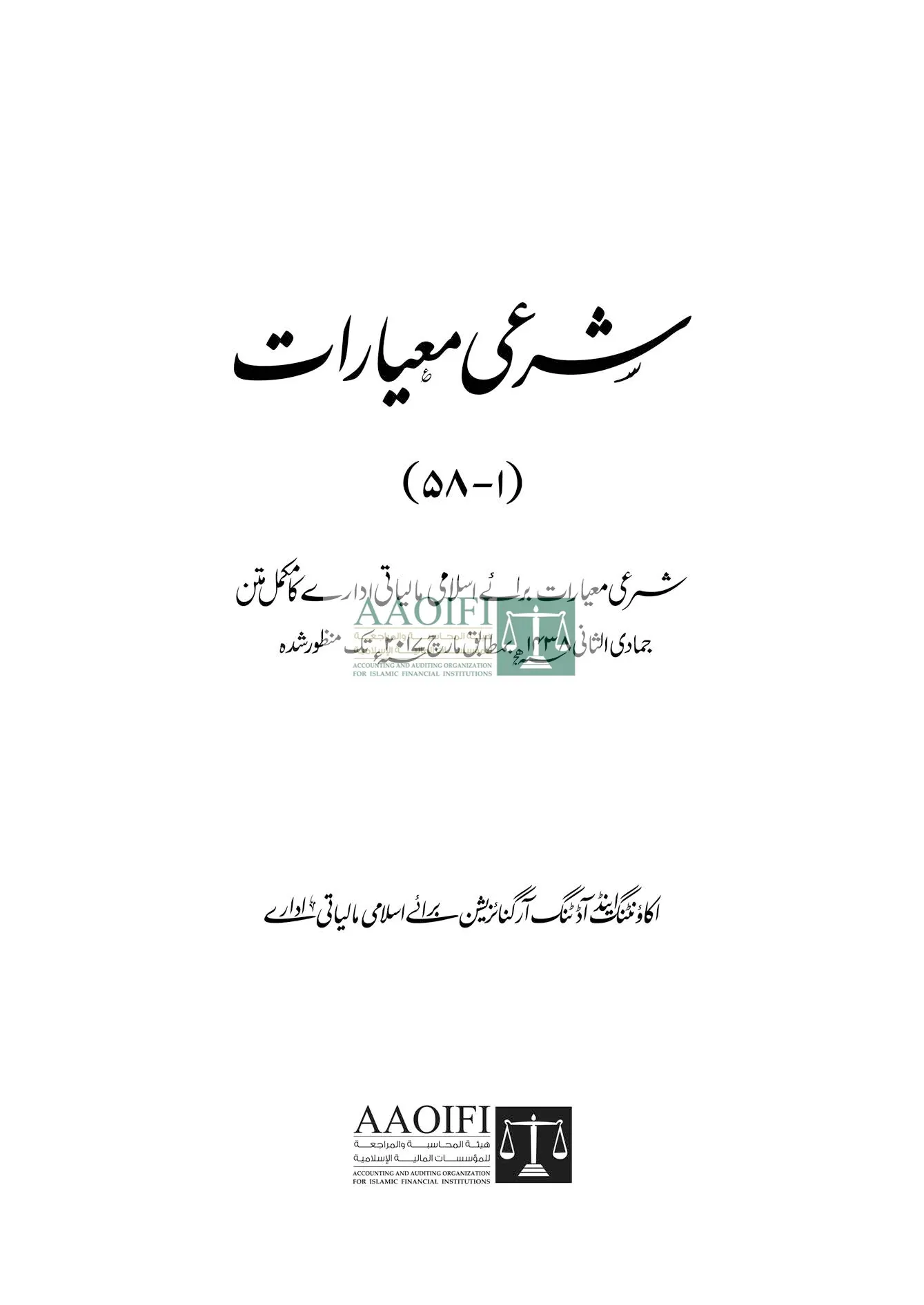
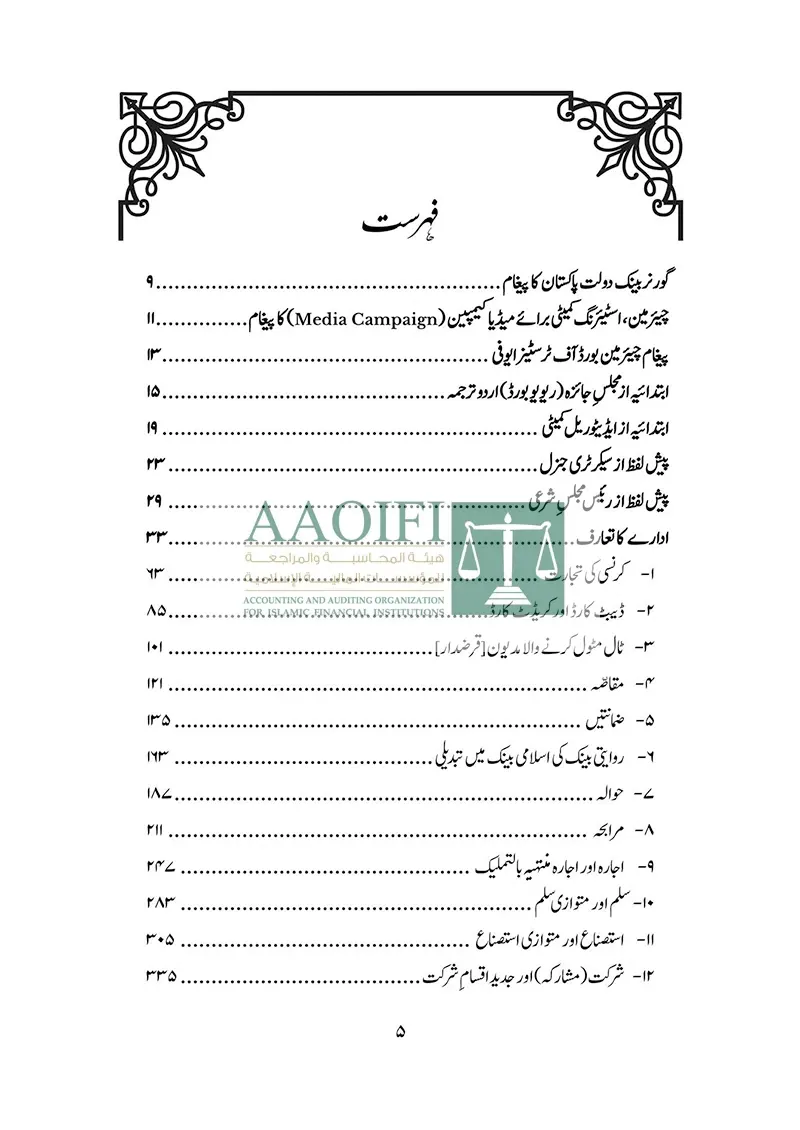
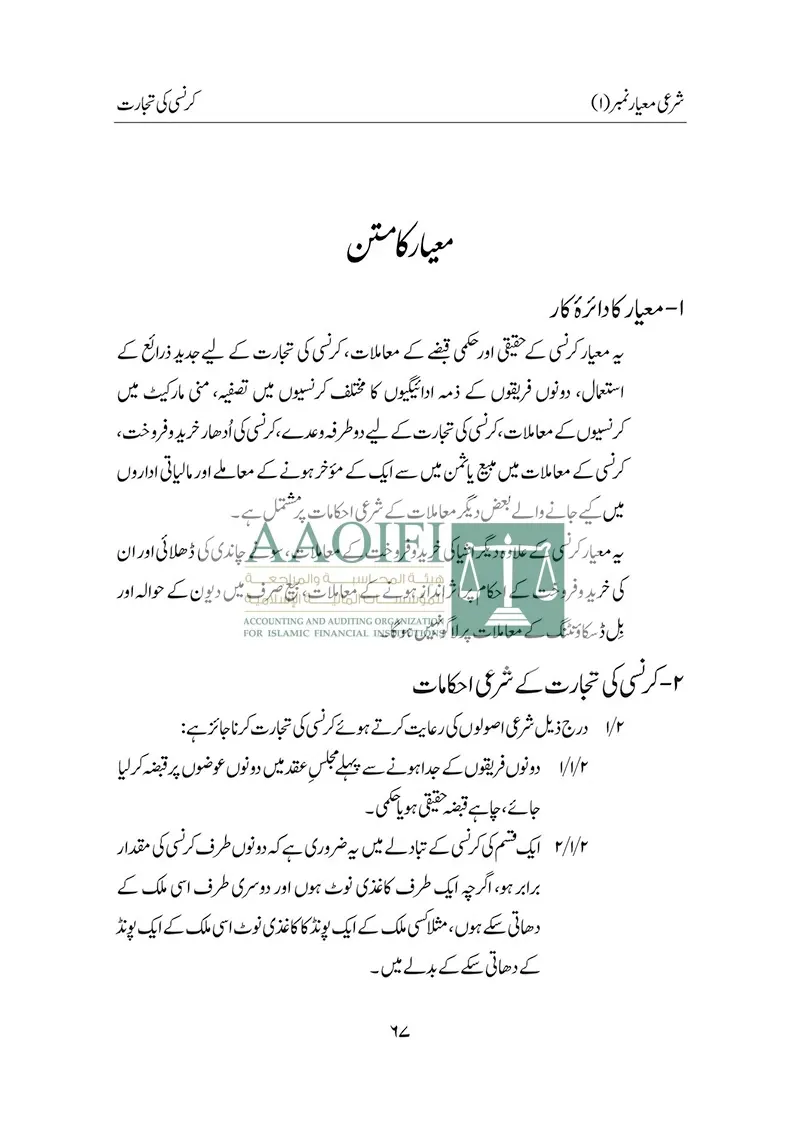
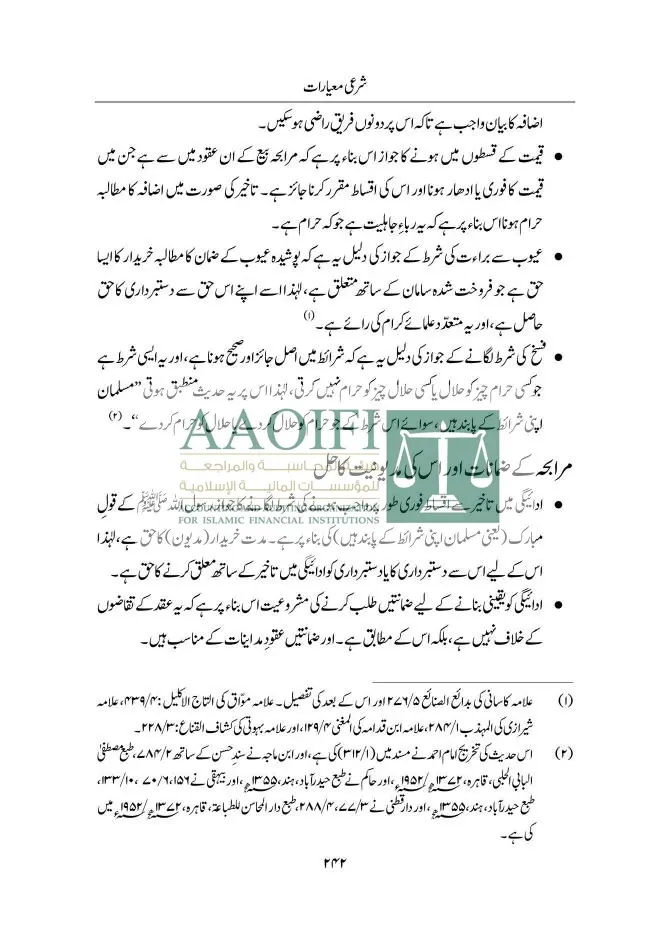
Format Fix's role on this project was coordinating translated content from multiple scholars, incorporating a review board's edits, and typesetting the result into one internally consistent volume. The translation itself was done by the scholars; the review was done by the review board. This page describes the formatting side of that pipeline.
See the full case study in the portfolio for the complete project details.
AAOIFI's Sharia Standards were translated into Urdu standard by standard, by multiple scholars working independently. Terminology choices, structural conventions, and formatting habits can all differ between standards translated by different people — and none of that becomes visible until the pieces are placed into one document.
Separate translated standards, each internally sound, but not yet checked against each other for consistent terminology, numbering, or structure.
Every standard reconciled into one document with a single consistent terminology and structural standard, before a single page is typeset.
After the standards were translated, a review board read through the translated content and wrote notes and requested changes. Those edits were incorporated as a dedicated stage of their own, separate from and prior to the final formatting pass.
Applying review notes during layout, alongside typesetting decisions — edits get missed or half-applied when they're mixed into a different kind of work.
Every review board note incorporated into the working document as its own complete pass, finished before layout began on the 1,400-page volume.
Translated standards collected from multiple scholars and reconciled into one consistent document.
Review board notes and requested changes applied throughout the compiled document.
The finished, edited document laid out as a single 1,400-page volume with full technical formatting.
Past a certain length, manual footnote numbering and manual cross-referencing become unreliable. A 1,400-page reference volume needs automated footnotes, dual-level navigation, and a structured approach to cross-references, charts, and tables from the start.
See the full case study in the portfolio, and Multi-Volume & Series Formatting for how this same consistency discipline applies across multi-volume projects too.
Publishing standards, guidelines, or reference material that has to be translated, reviewed, and compiled into one authoritative volume.
Needing translated content edited and incorporated correctly before a final volume is produced.
Compiling separately translated sections into one consistent, properly cross-referenced reference work.
See Arabic Editorial Formatting for how structural, reference-heavy formatting is handled more broadly.
Coordination, incorporating review board edits, and formatting/typesetting. Translation is done by the translators or scholars involved, and review is done by the client's own review board — Format Fix doesn't perform either of those roles.
The translated standards are compiled and reconciled into one document before layout begins, checking terminology, numbering, and structure against each other so the finished volume reads as one consistent work.
They're incorporated into the working document as a dedicated stage, applied throughout the compiled text before the final formatting pass begins.
Yes — with automated footnote numbering and a structured cross-referencing approach set up from the start, rather than tracked manually, which is what was used on the actual 1,400-page AAOIFI Sharia Standards Urdu volume.
Yes — a clickable whole-book table of contents plus a separate clickable table of contents inside each chapter, so readers can navigate at either level.
Yes — the AAOIFI Sharia Standards Urdu edition: a single 1,400-page volume compiled from multiple scholars' translations, with review board edits incorporated, managed by AAOIFI and sponsored by the Islamic Banking Industry of Pakistan and multiple banks.